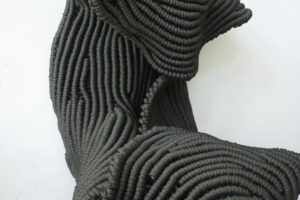
Fallen
Performance Art Space Cessnock - PACCCessnock, NSW, Australia2026
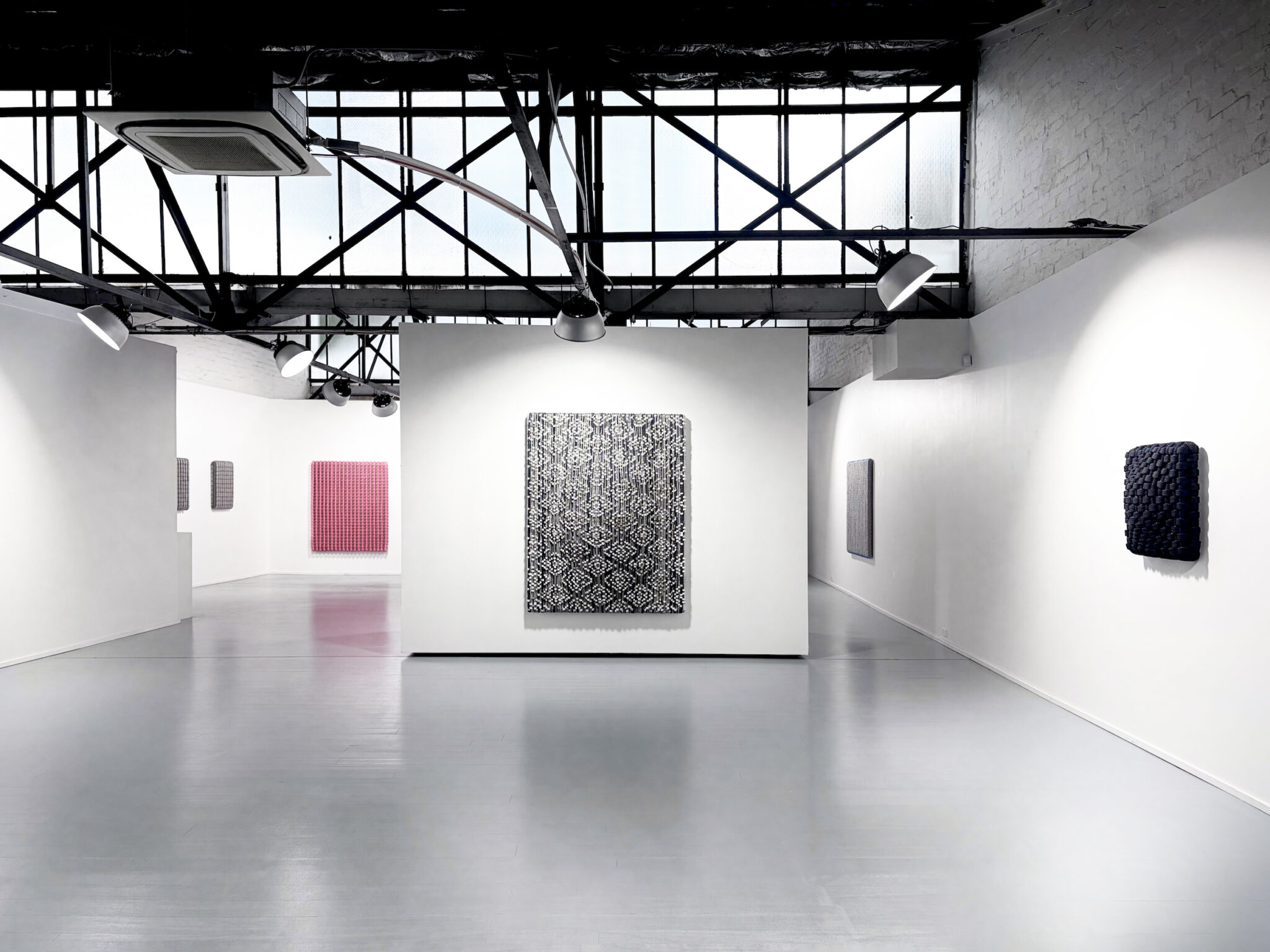
Vermell Furiós
Dominik Mersh GallerySydney2025
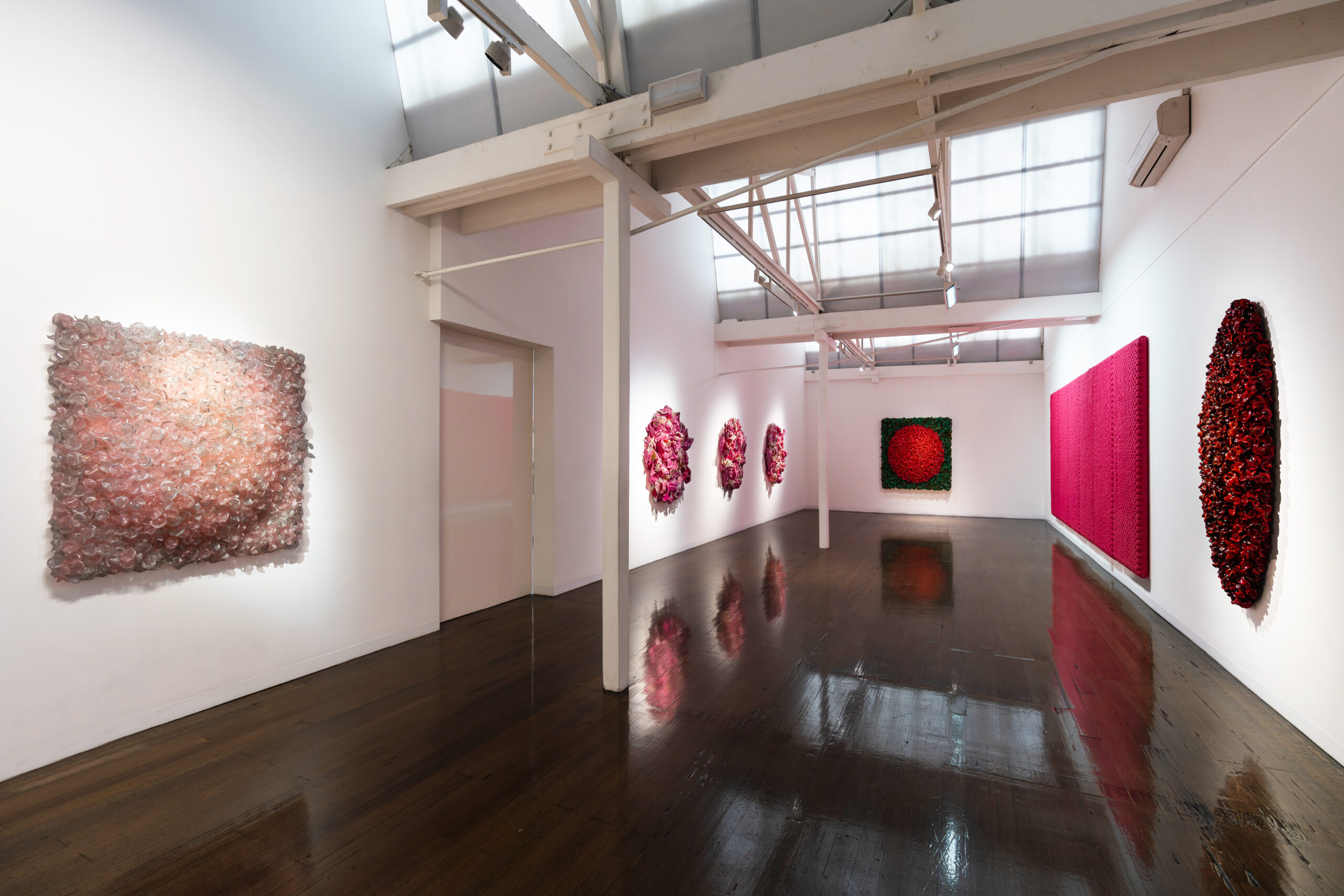
Summer Fruits
ARC ONE GalleryMelbourne2024
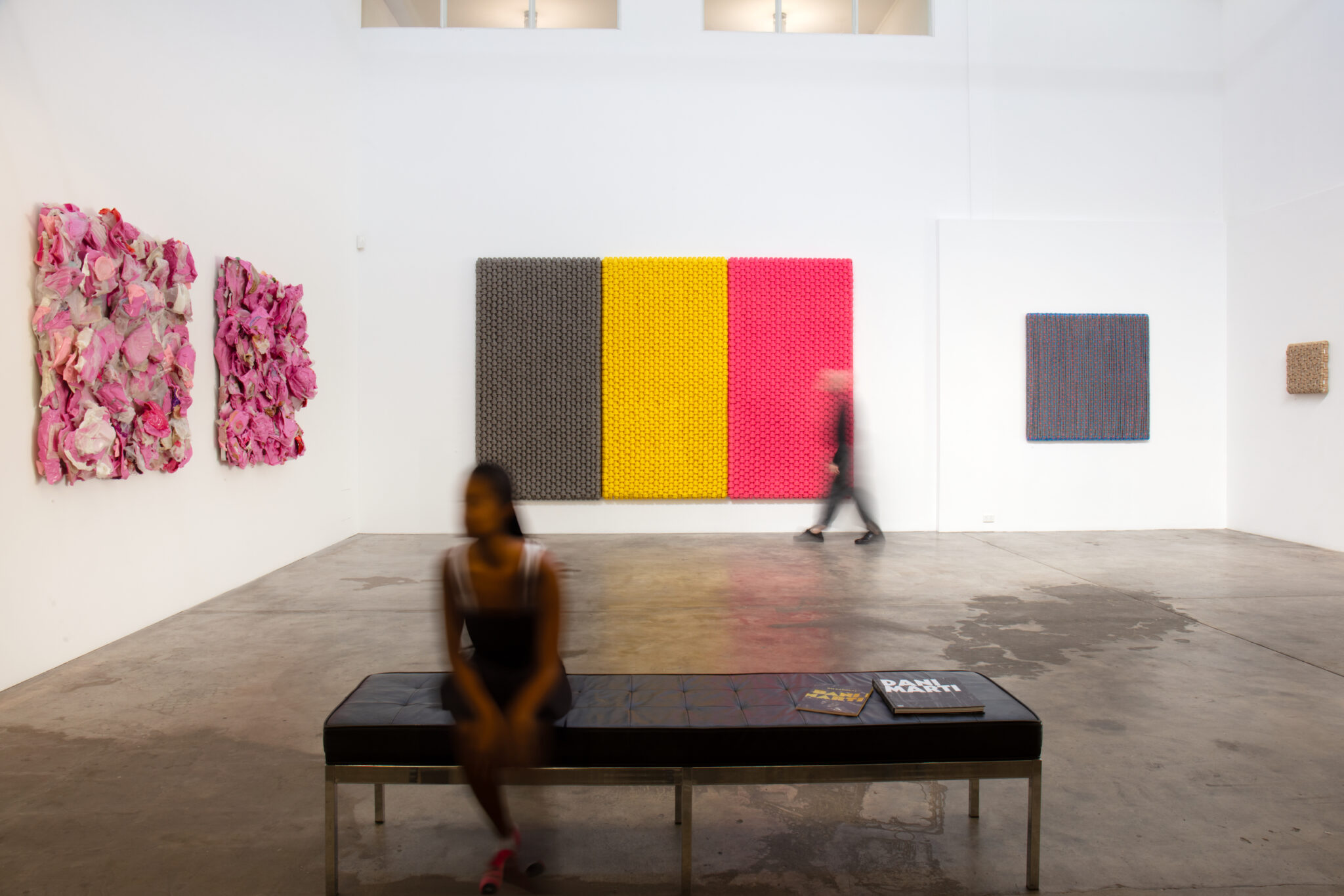
Wall Hangings
GAG ProjectsAdelaide2024
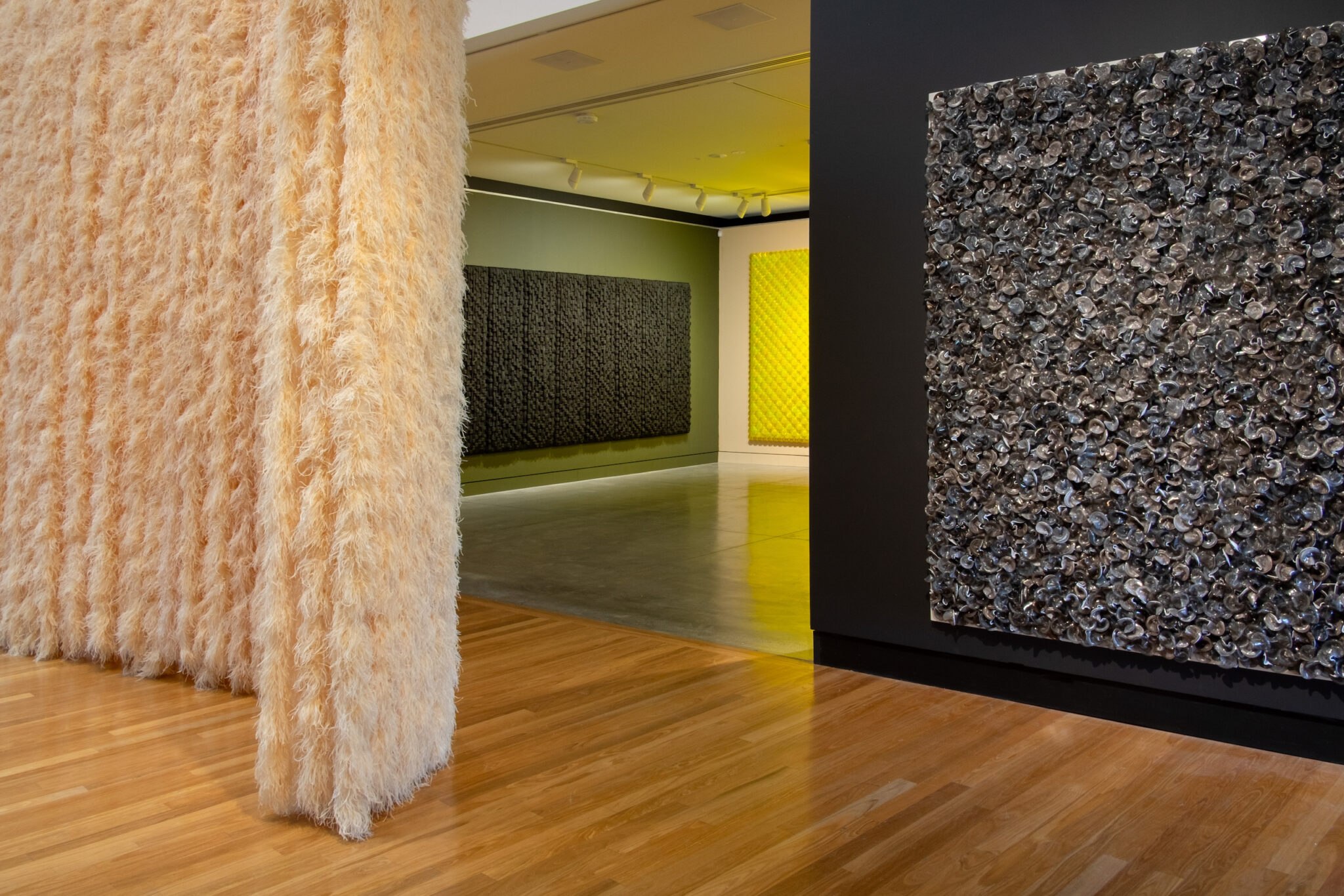
Oh Canola!
MRAGMaitland - Australia2022
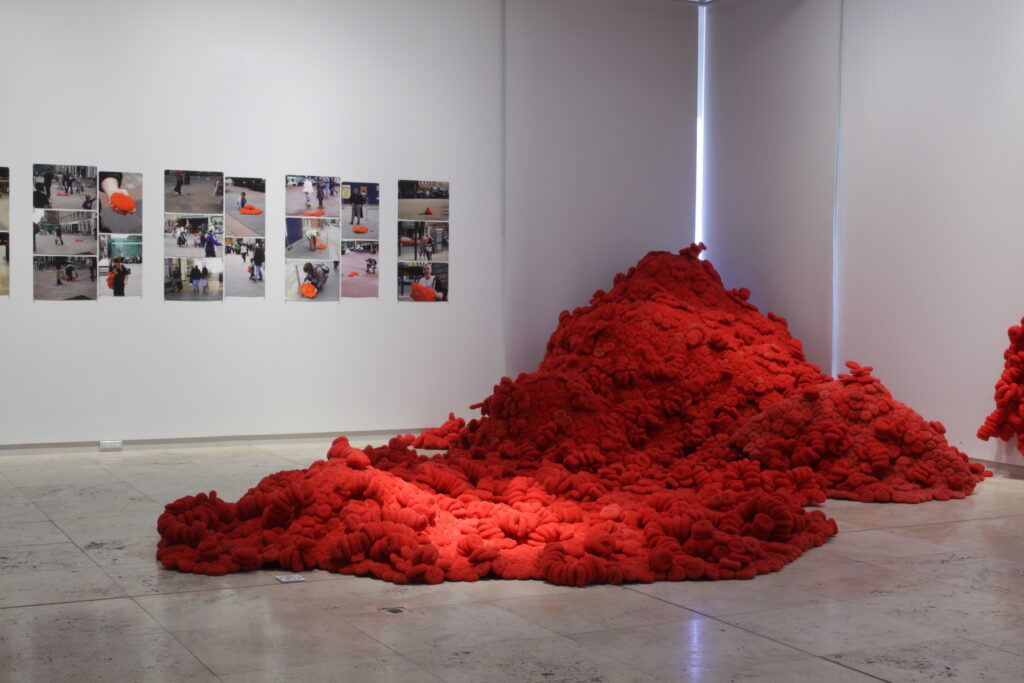
THE ART OF PROTEST
Newcastle Art GalleryNewcastle , Australia2021
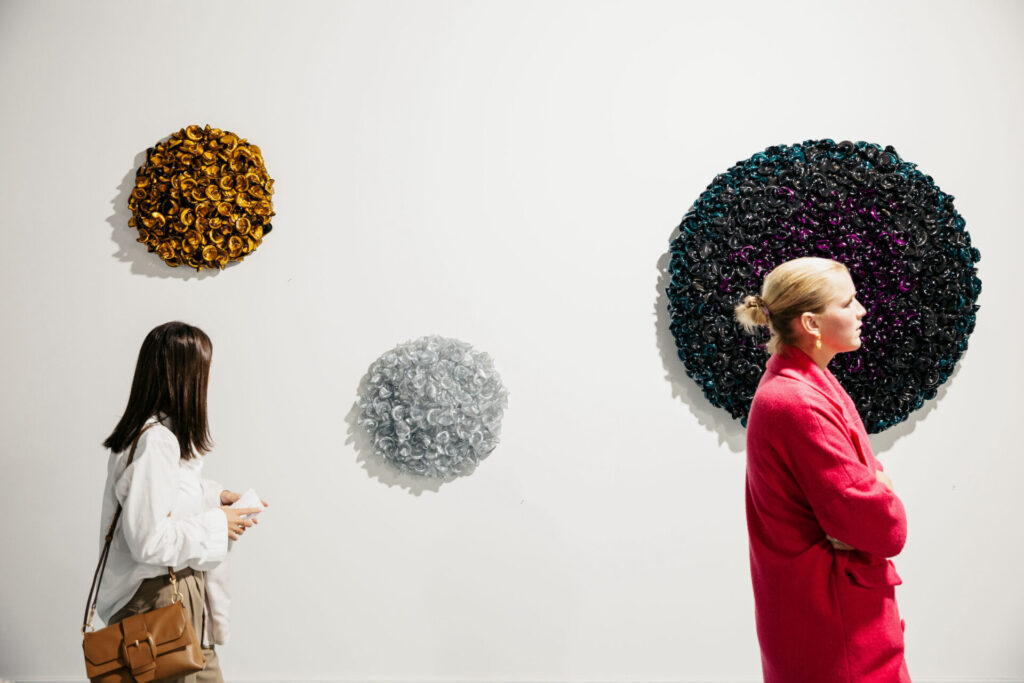
The Graceful Exit- group exhibition
Dominick Mersh GallerySydney2021
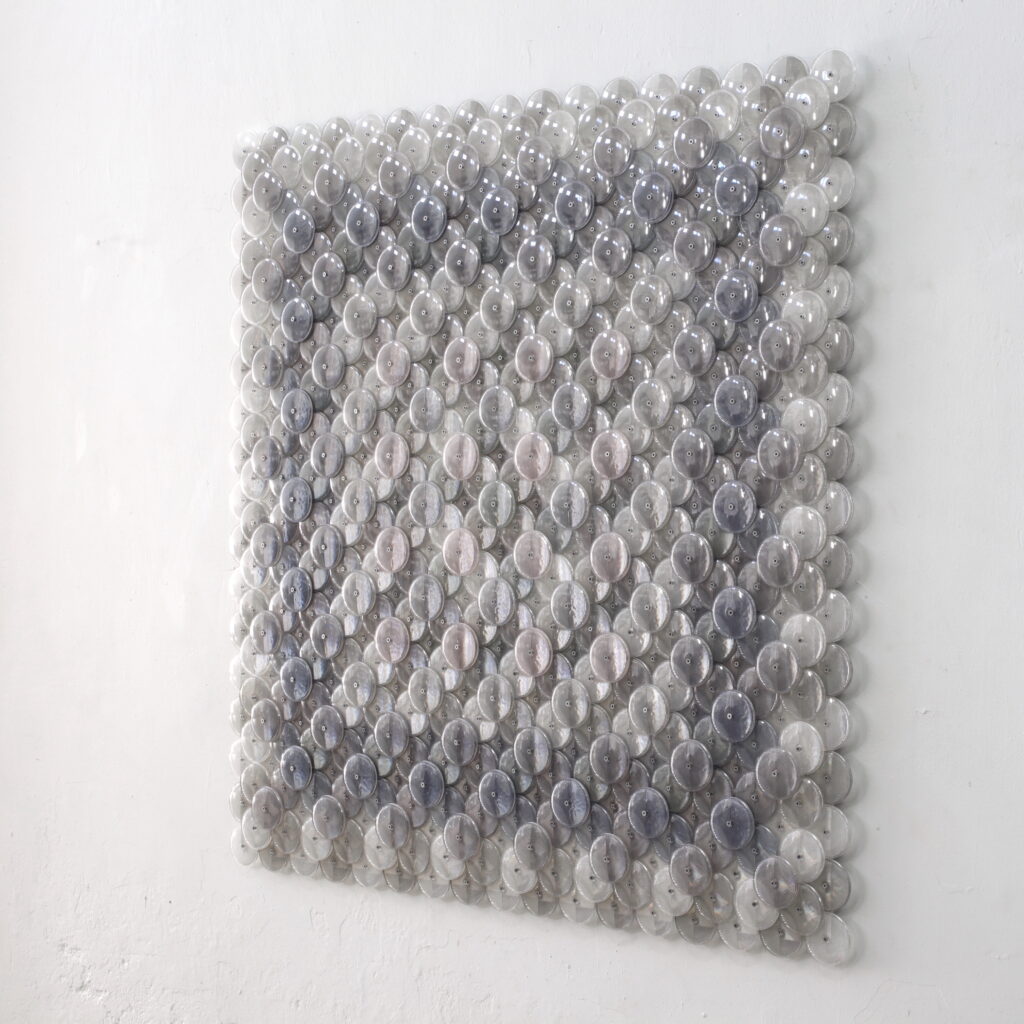
Dust
Gallerie HilgernextVienna2021
Songs of Surrender
Gallerie LausbergDusseldorf2021
Blue on Blue
Arc One GalleryMelbourne, Australia2020
52 actions 52 artists – Artspace, Sydney and VOMA , London, UK
Artspace and VOMASydney and London2021
Between
Dominik Mersch GallerySydney2020
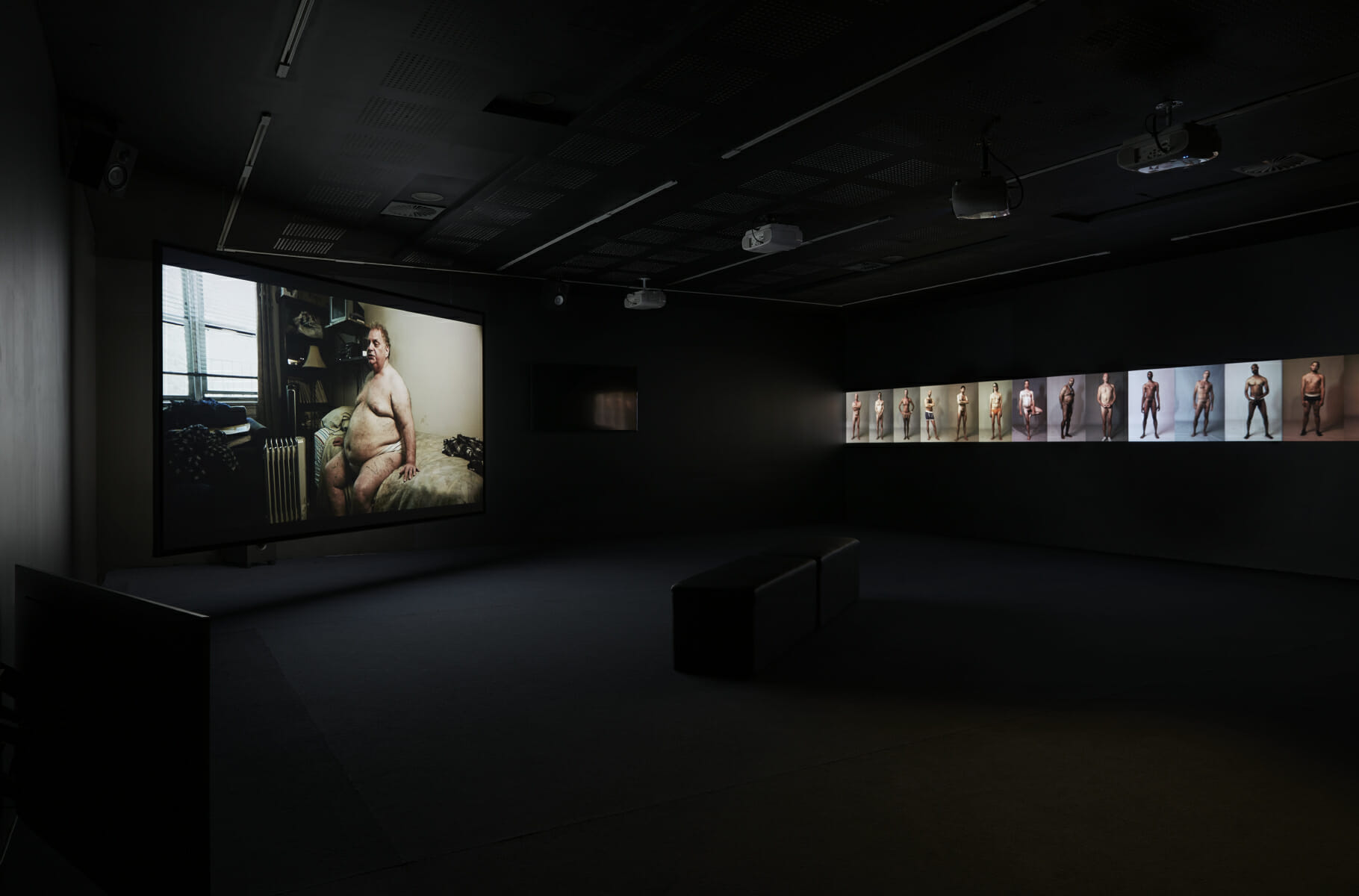
Friendship a way of Life
University of New South Wales GalleriesSydney2020
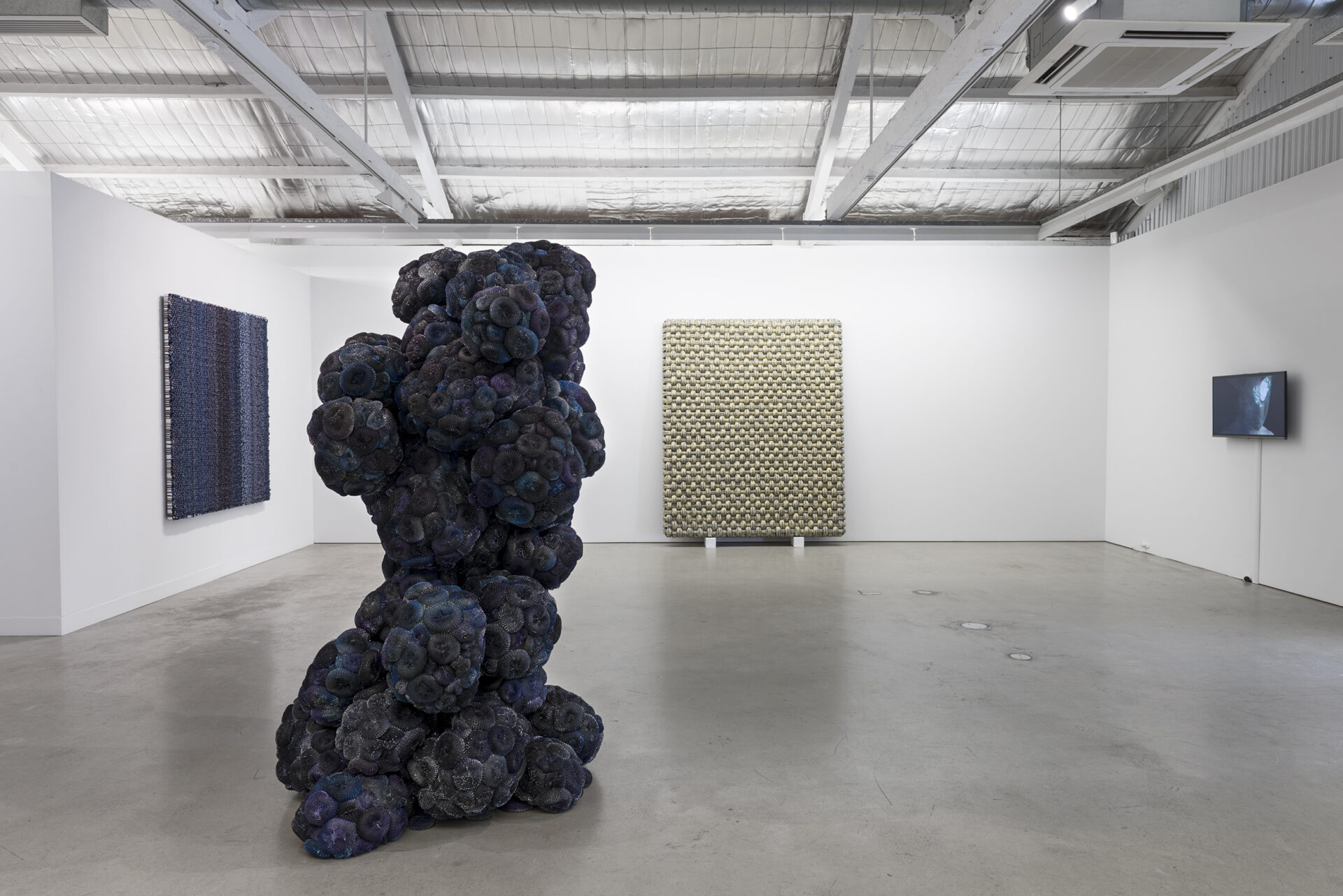
Blow
Turner GalleriesPerth, Australia2018
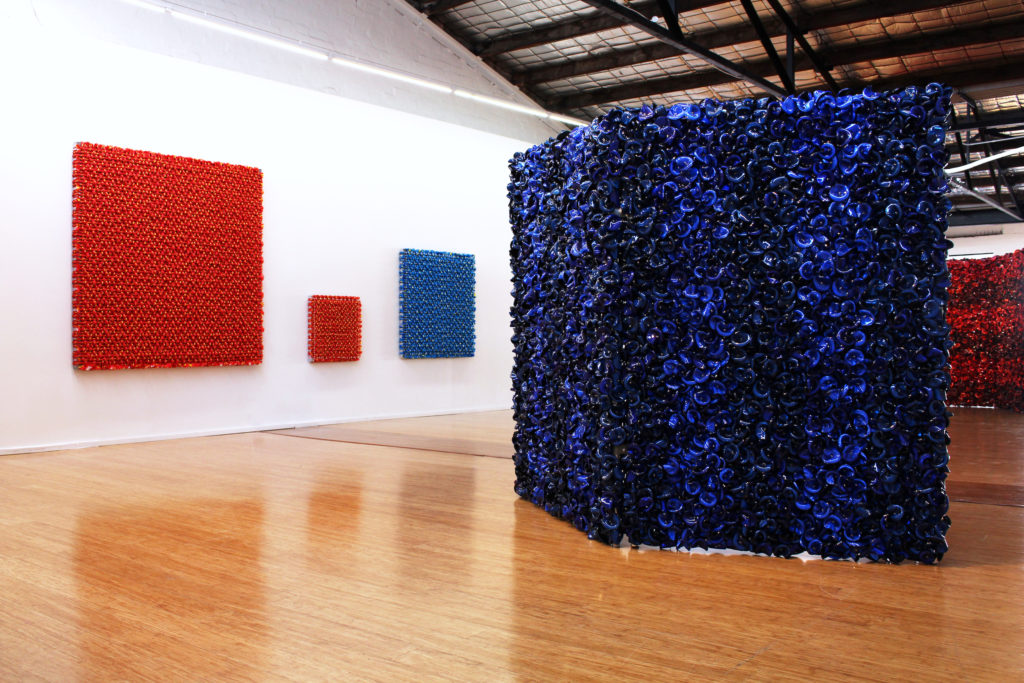
Red on Red
Dominik Mersch Gallery - DMGSydney2018
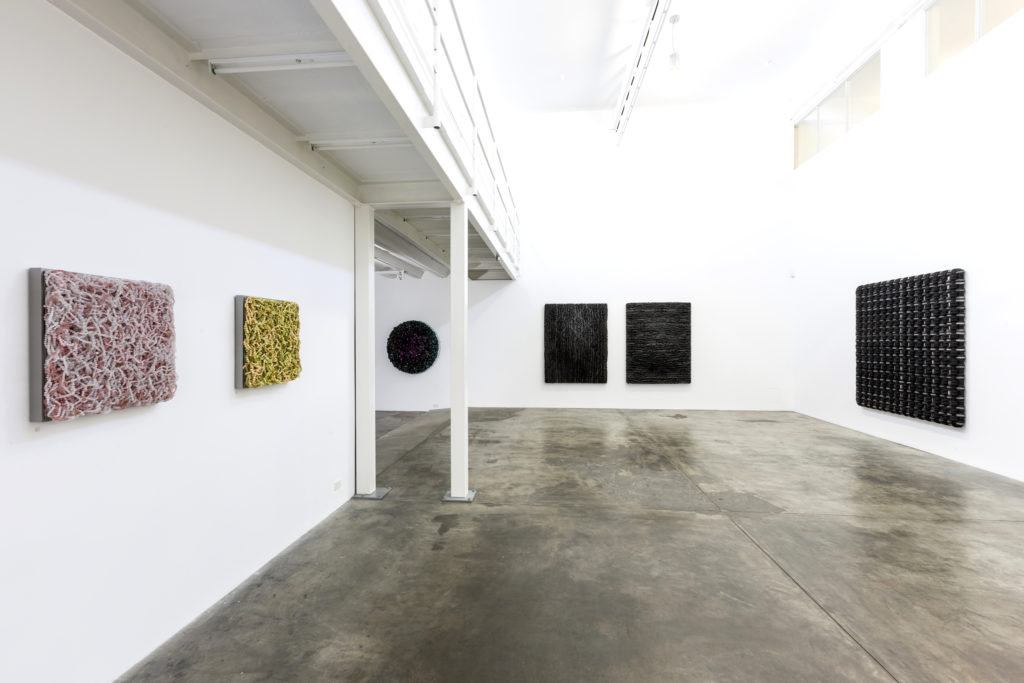
Slow
GAG-Greenaway Art GalleryAdelaide2015
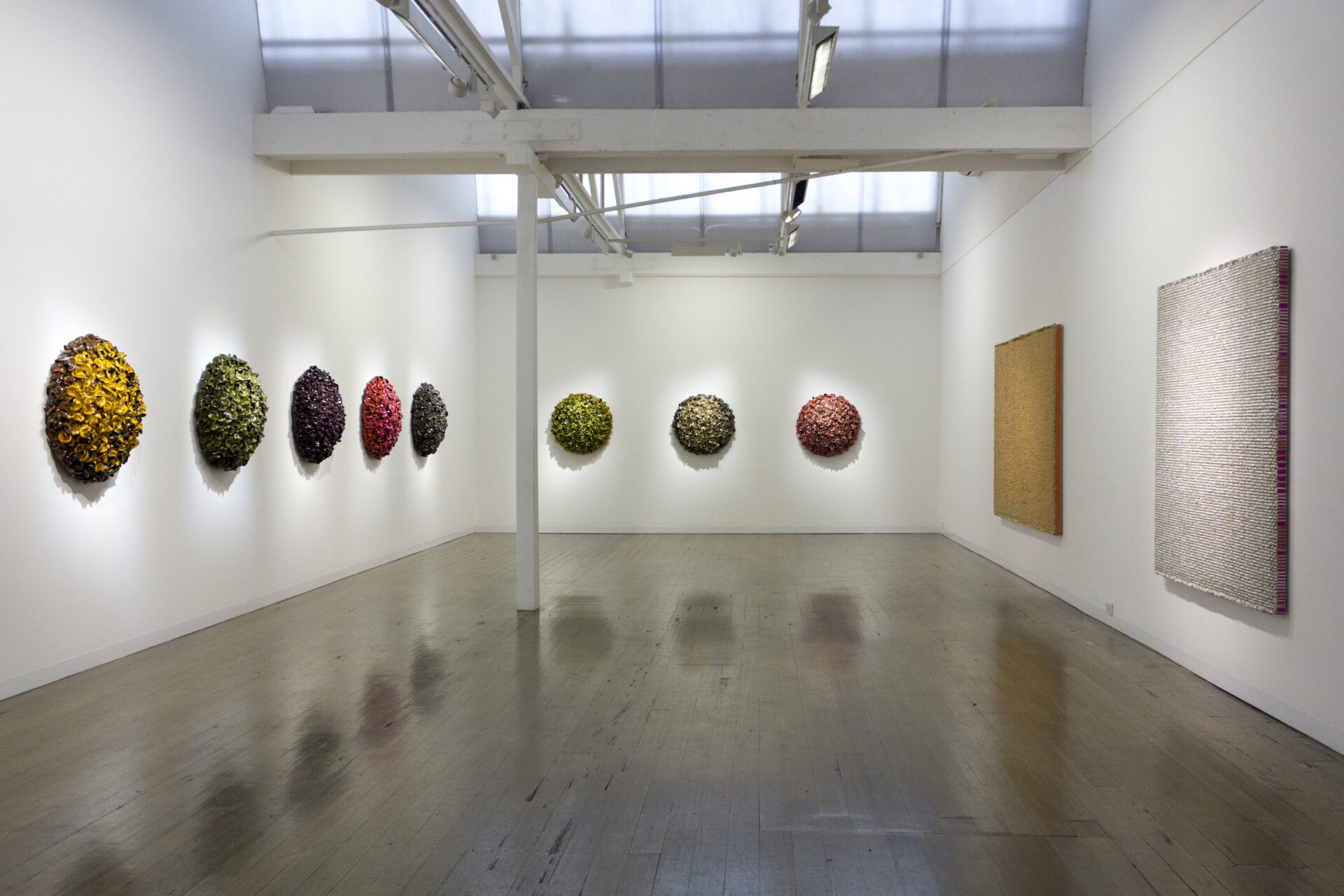
I Am
Arc One GalleryMelbourne2017
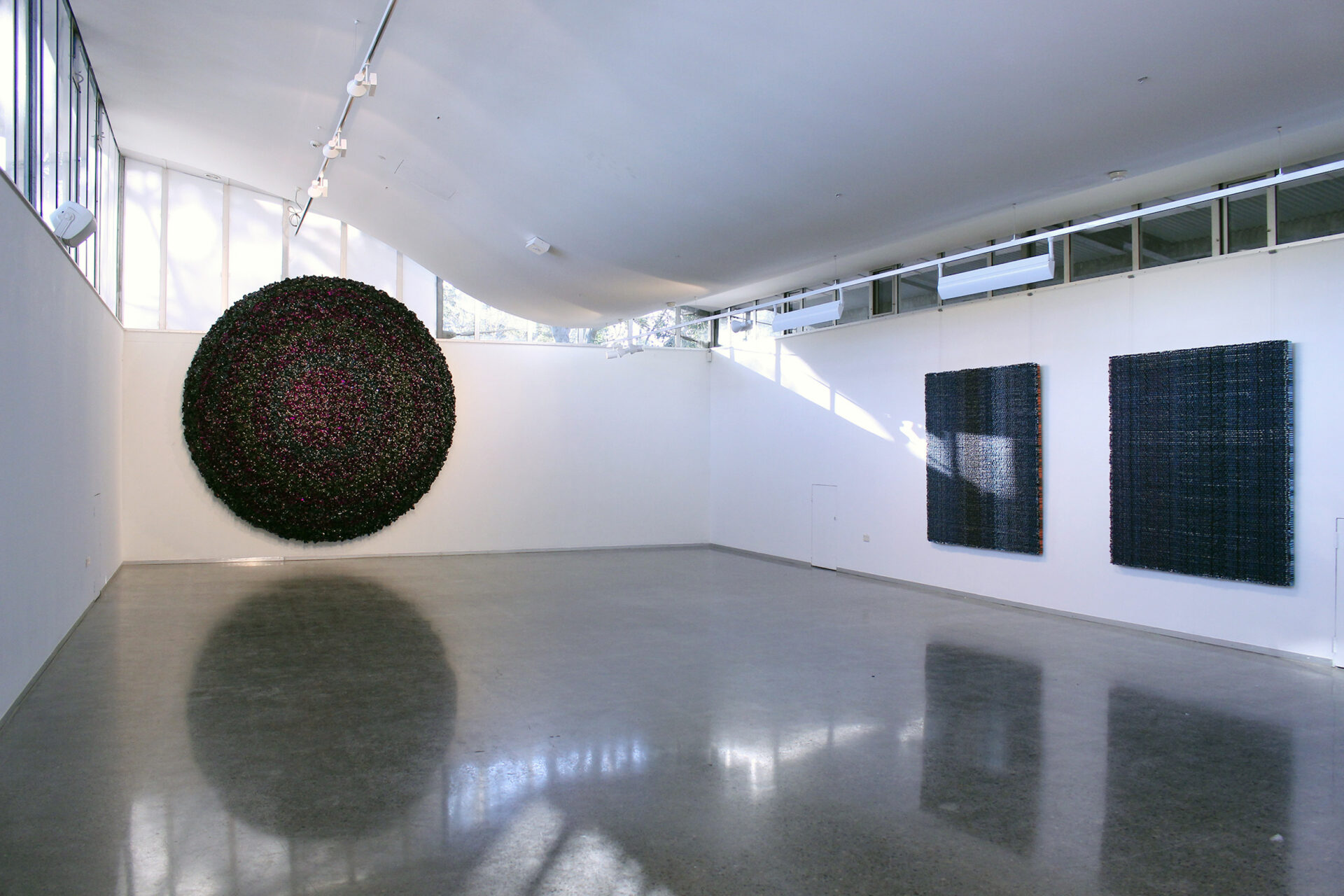
Still life in Yellow, Steel and Mandarins
The University Art GalleryNewcastle University, Australia2016
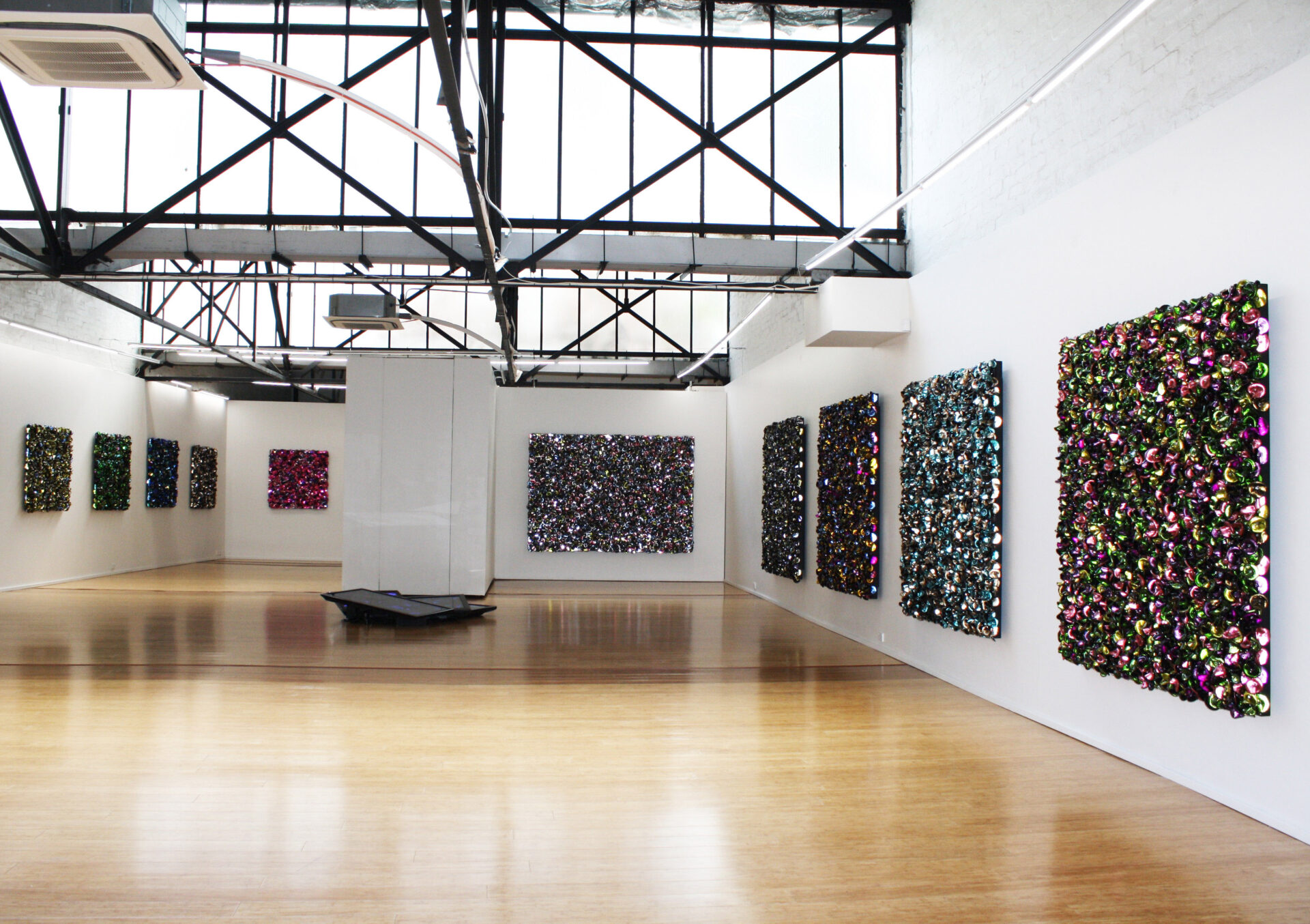
Fool’s Paradise
Dominik Mersch GallerySydney, Australia2016
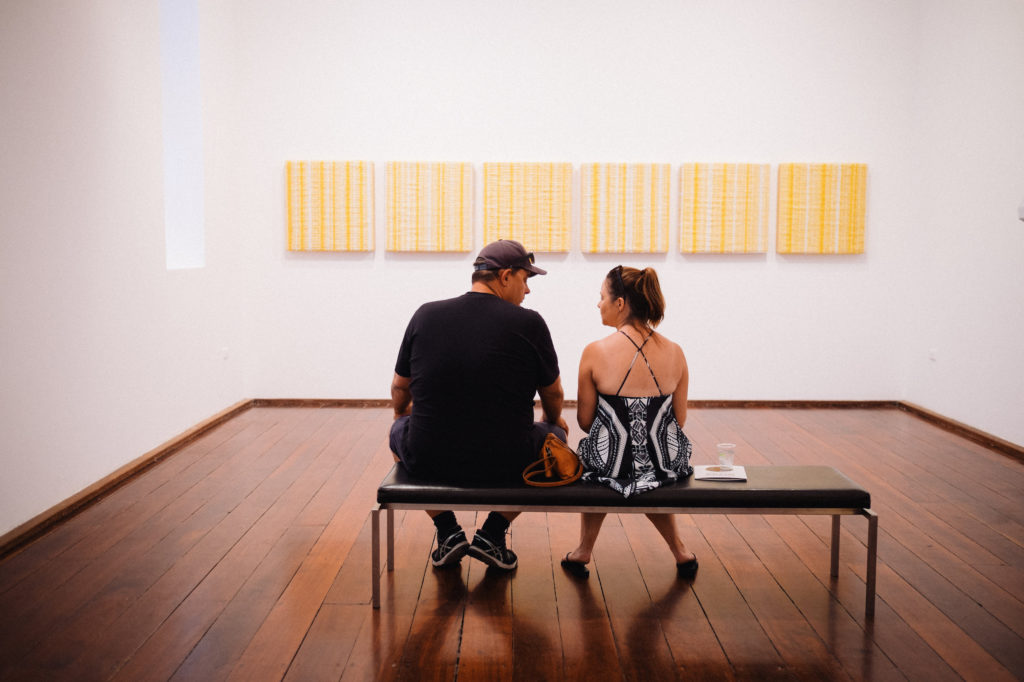
Black Sun
Fremantle Art GalleryPerth2016
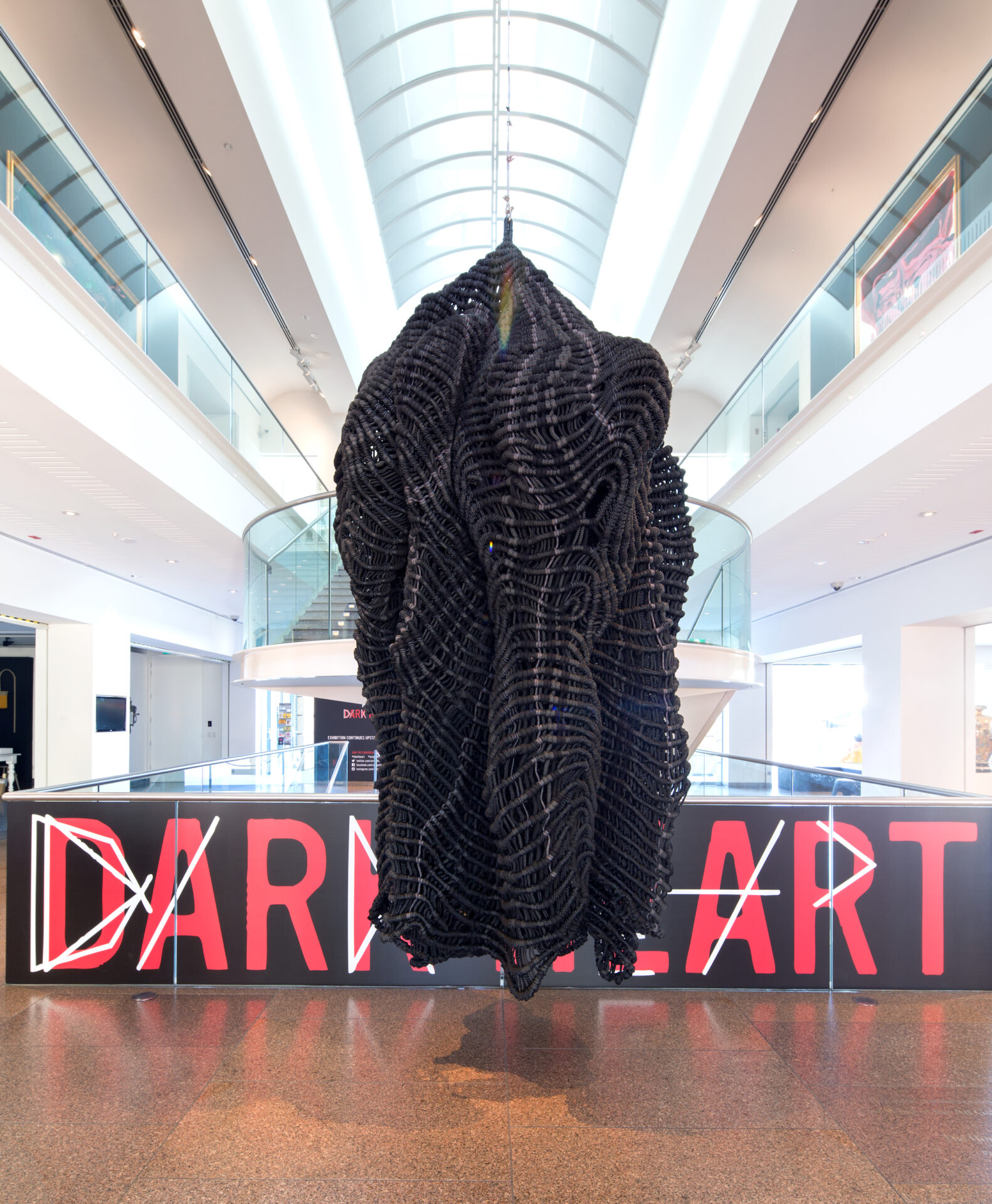
Adelaide Biennial- Dark Heart
Art Gallery of South AustraliaAdelaide2014
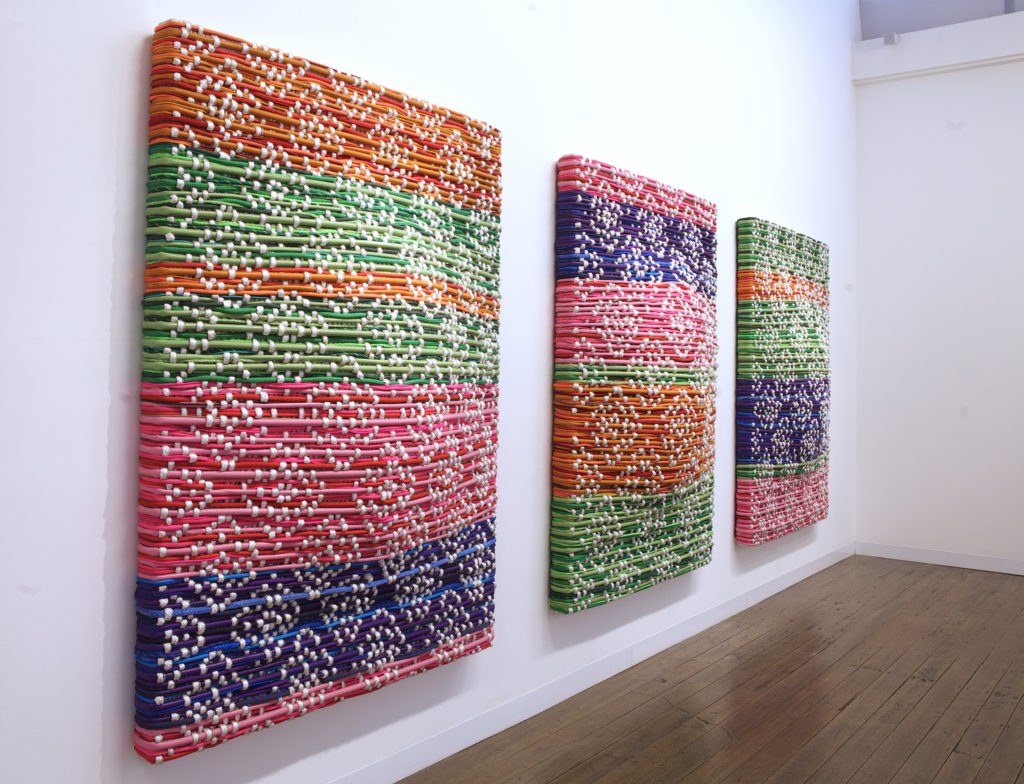
Run, Run, Run
Arc One GalleryMelbourne2014
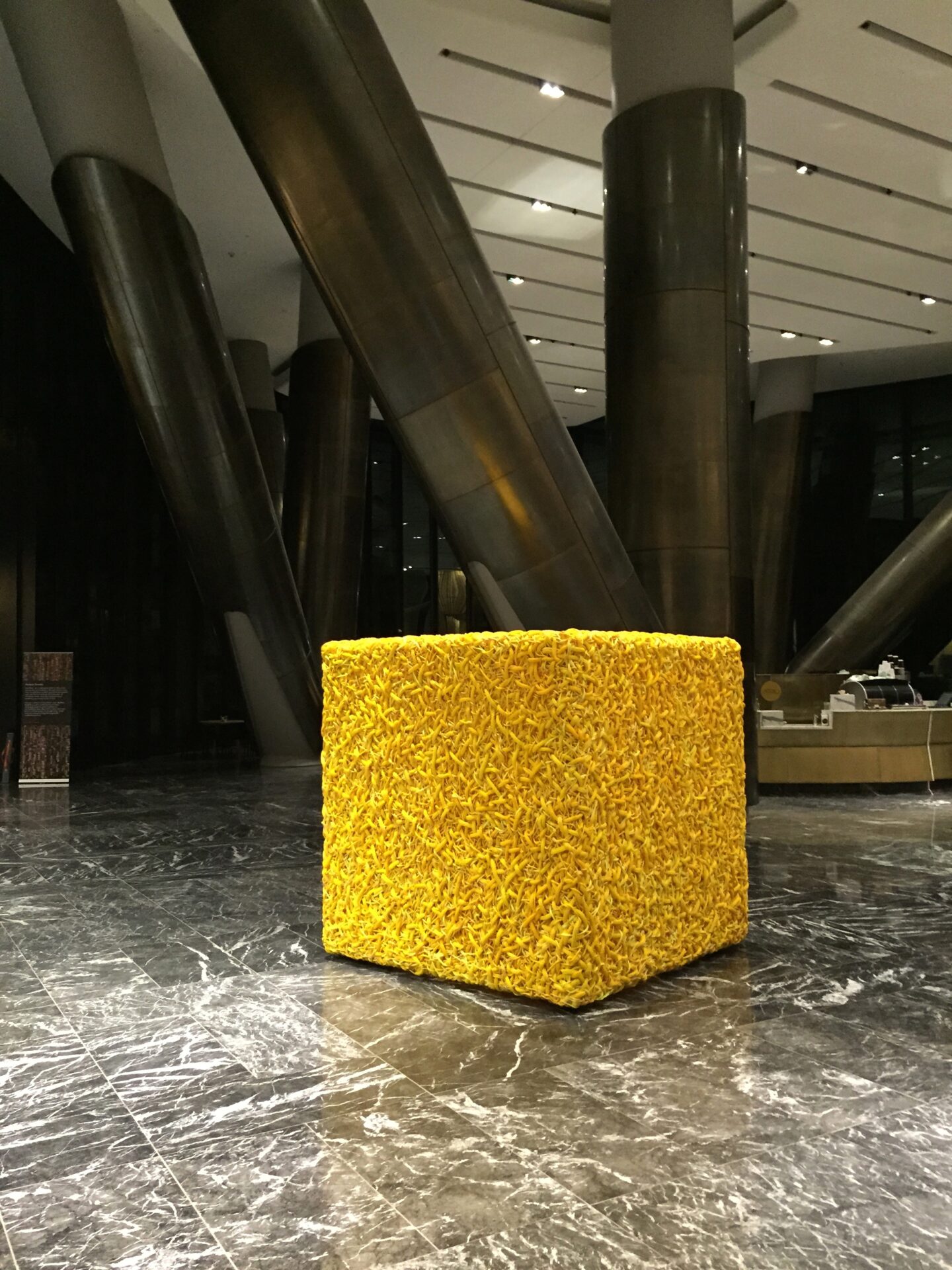
Surface Tension
Westfield Head OfficeSydney2014
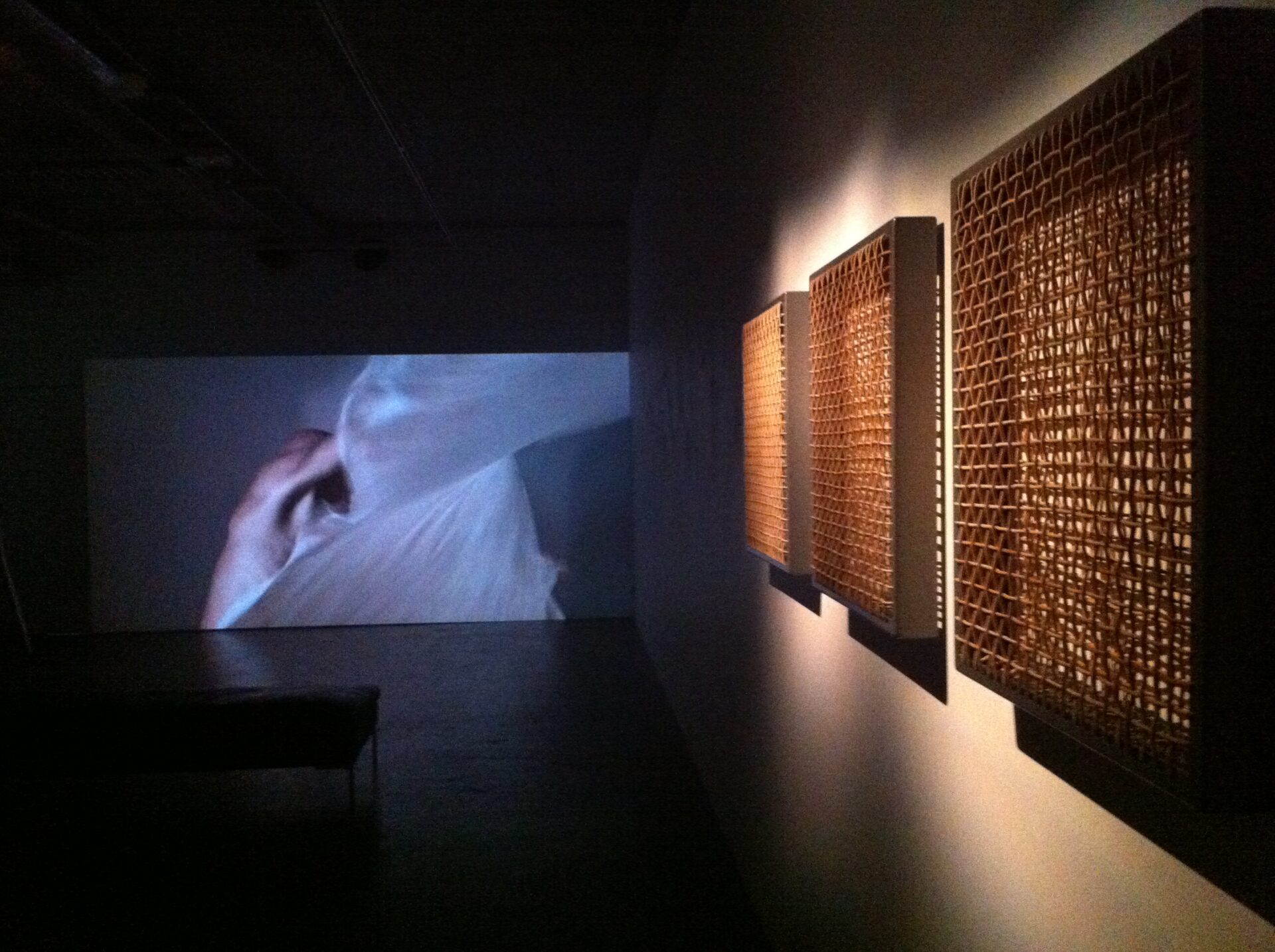
Mariposa
BreespaceSydney2012
And That’s It
GAG-GreenawayAdelaide2011
Found
Glen Eira City Council Art GalleryVictoria2011
The Book of Miracles
Arc One GalleryMelbourne2011
Tarcoola
PelotonSydney2012
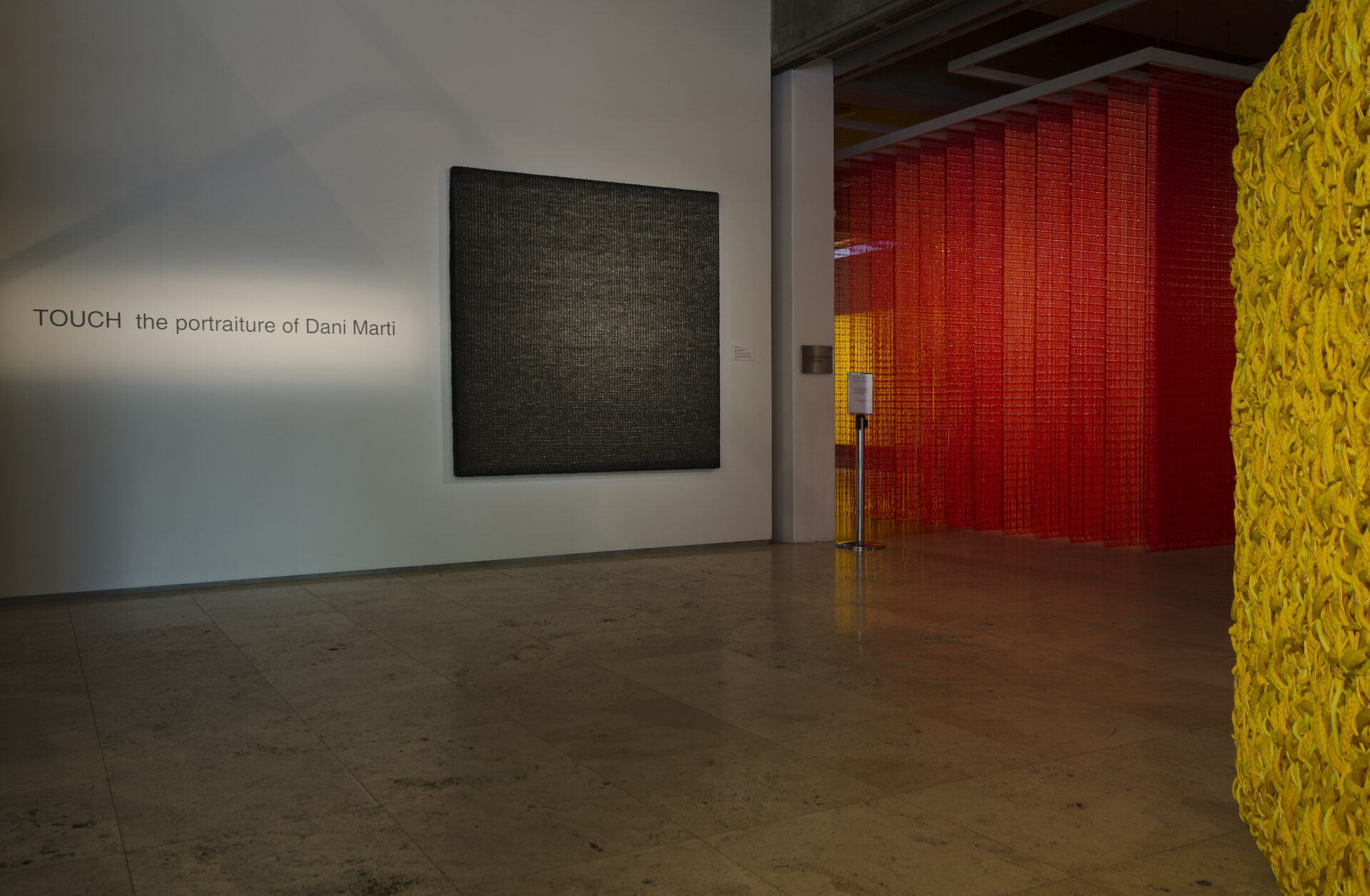
Touch: the portraiture of Dani Marti
Newcastle Art GalleryNewcastle2011
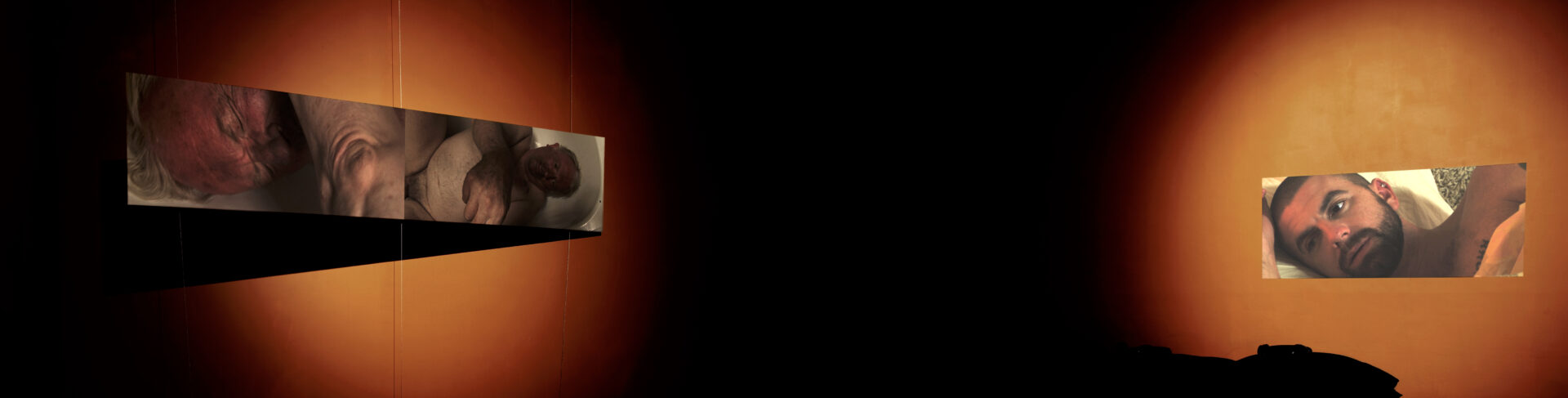
The Ethics of Encounter
Stills GalleryEdinburgh2011
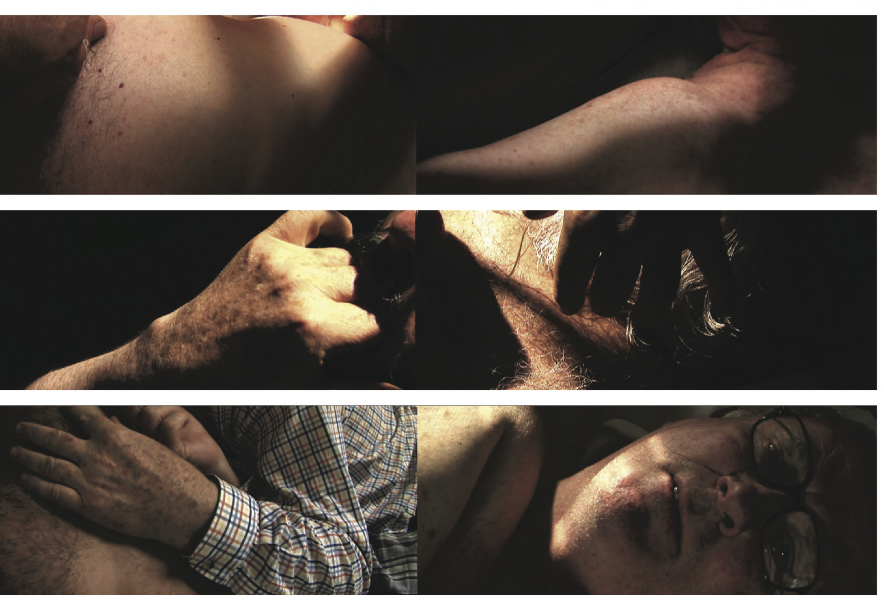
Bacon’s Dog
BreespaceSydney2010
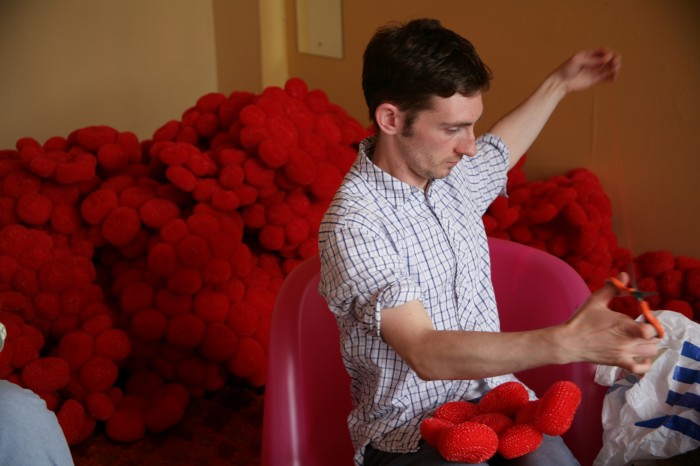
Insideout
GoMA-offsiteGlasgow2009
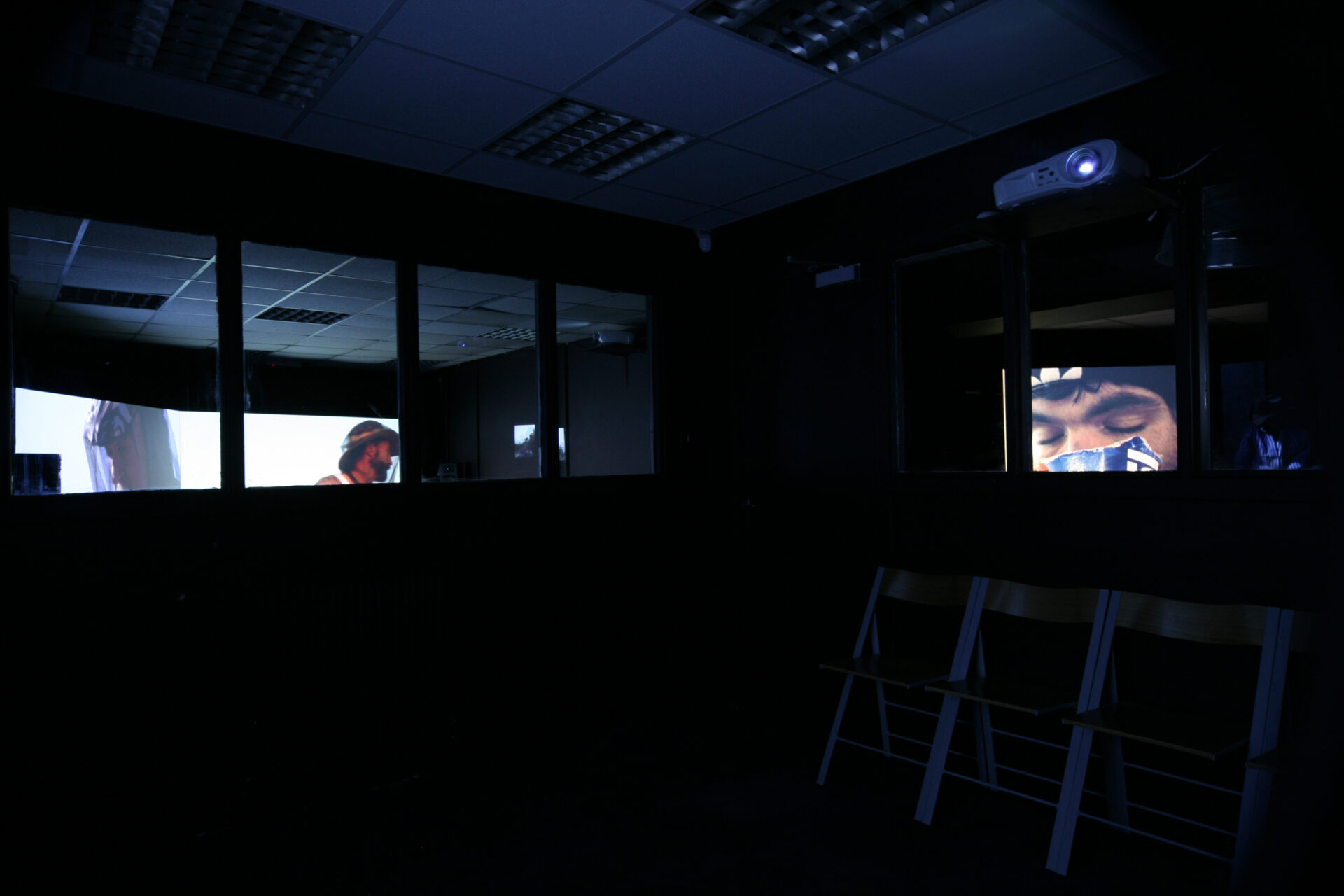
Glasgow International – Transit
Glasgow International Project SpaceGlasgowNovember 2008
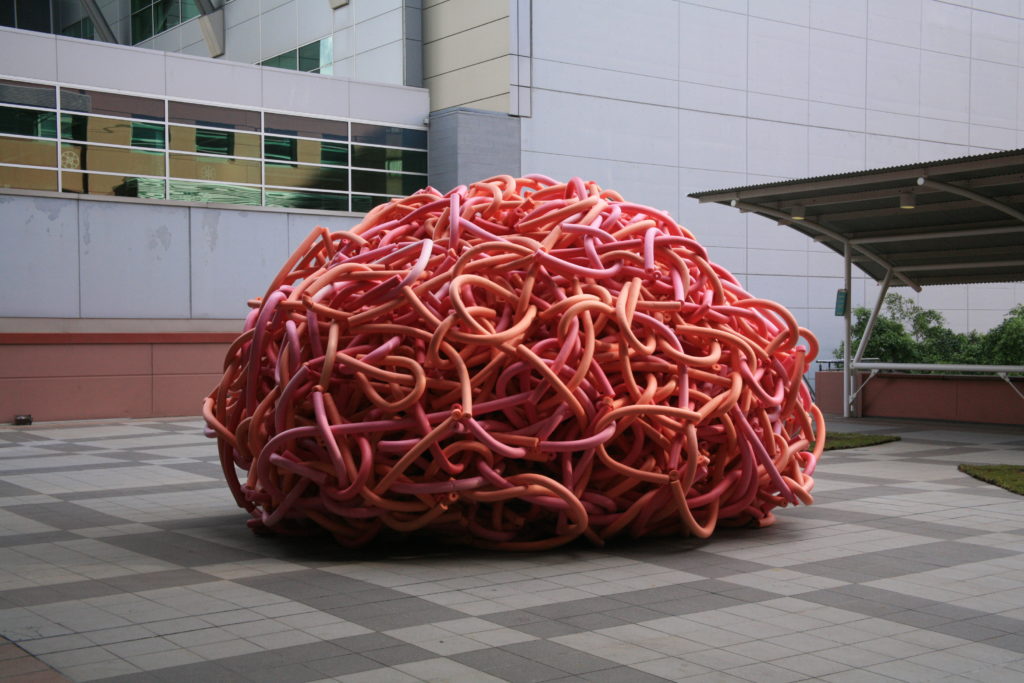
Off my noodle
Newcastle Art Gallery / UTS GalleryNewcastle/Sydney2007
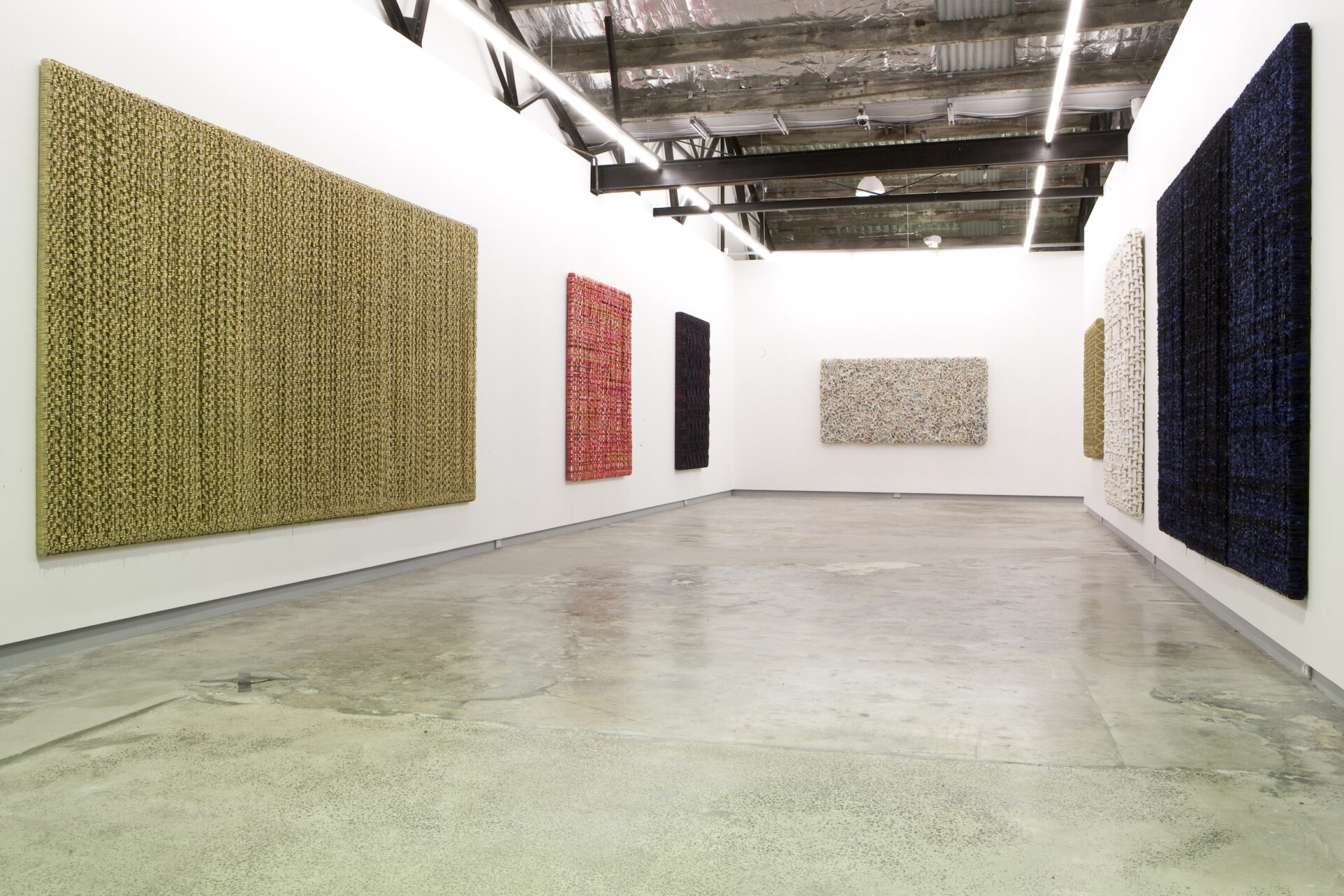
One Breath Below Consciousness
BreenspaceSydney2008

Time is the Fire in which We Burn
Arc One GalleryMelbourne2009
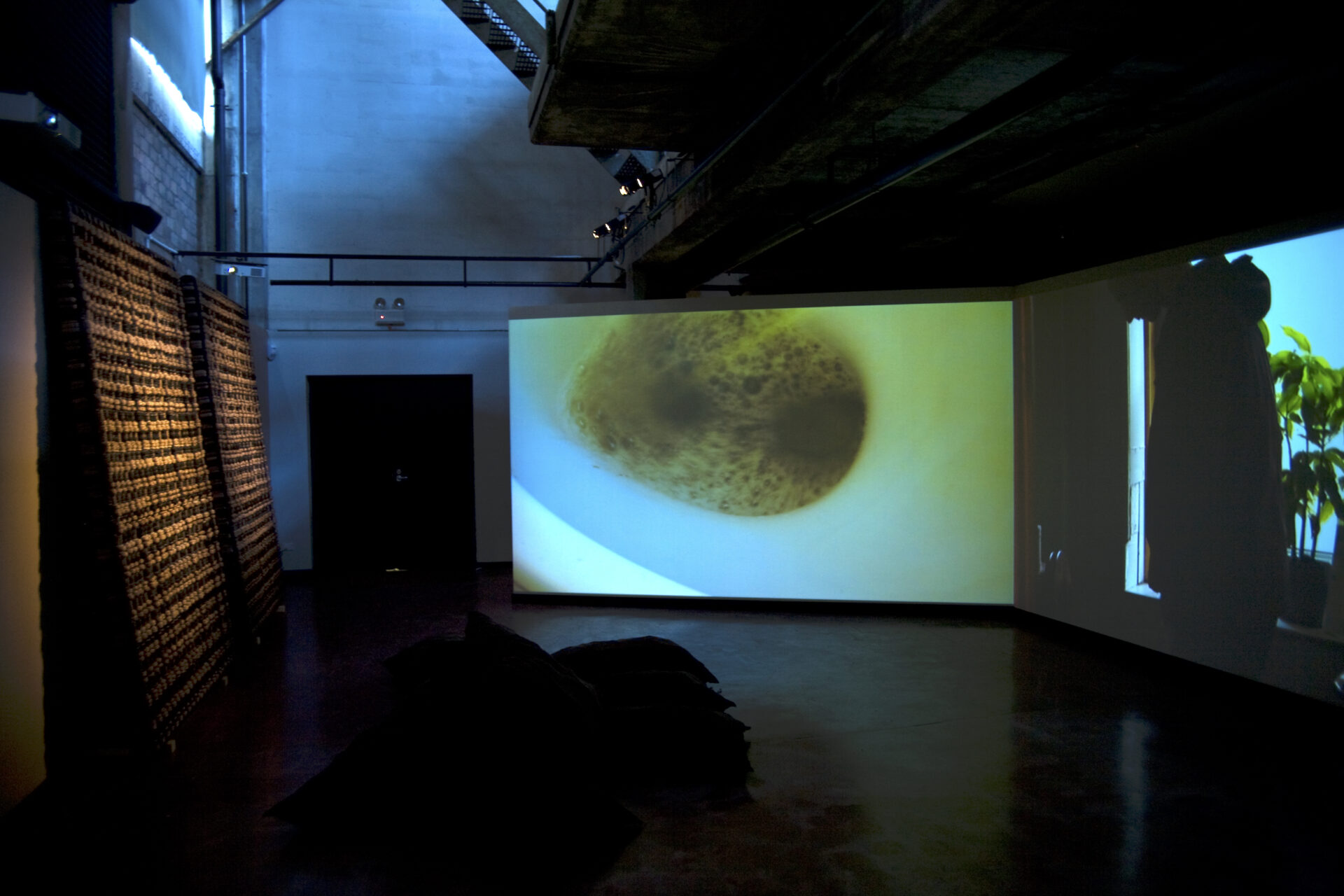
Australian
Casula Power HouseLiverpool , AustraliaFebruary 2008
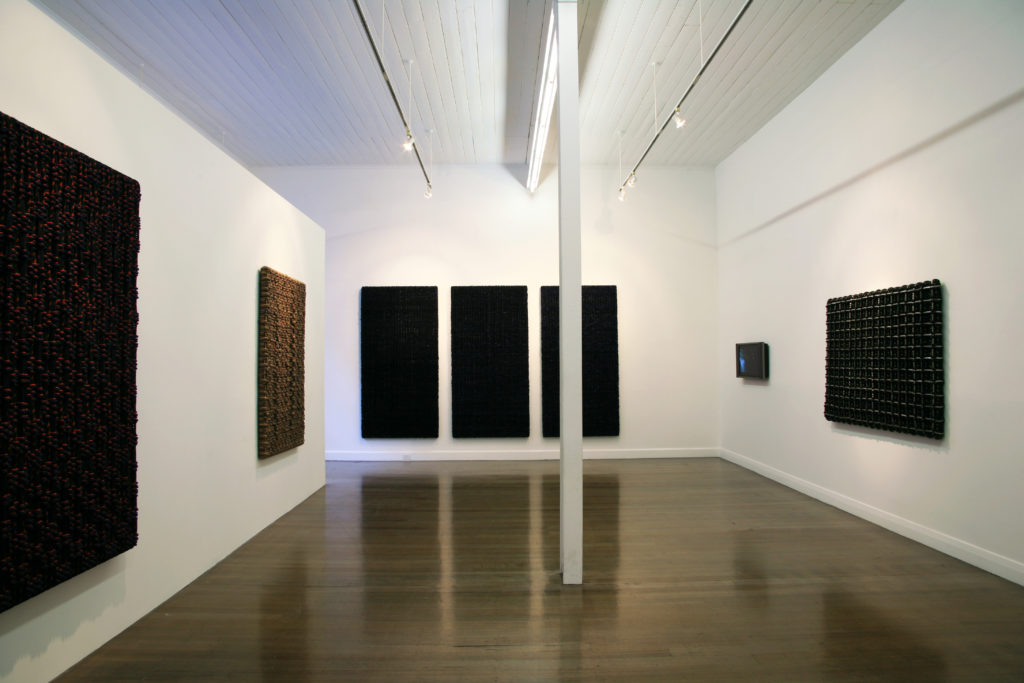
Closer
Arc One GalleryMelbourne2007
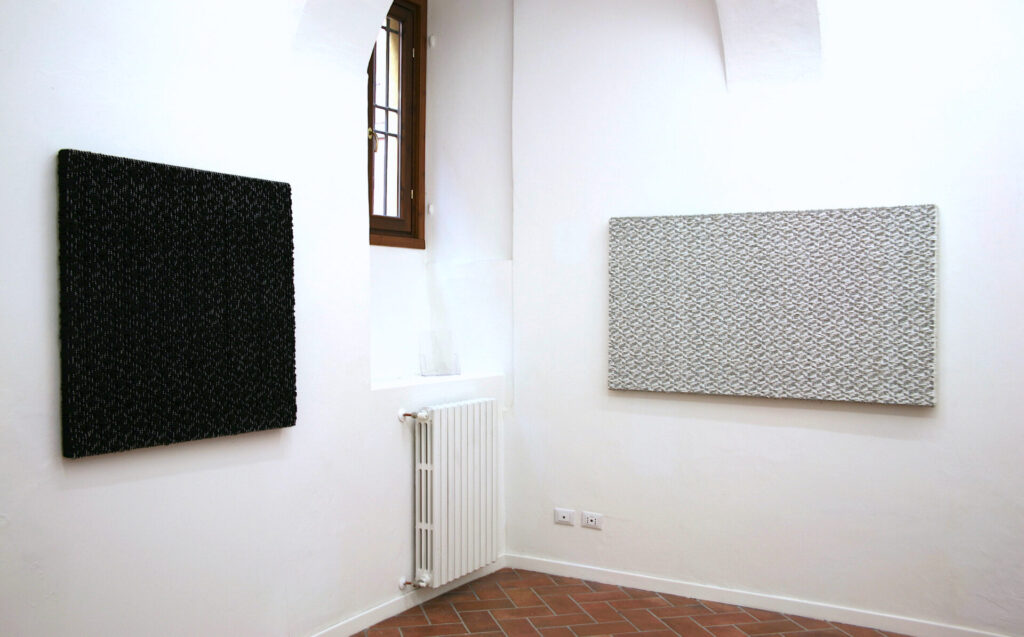
Dark Bones
Citric GalleryBrescia, Italy2006
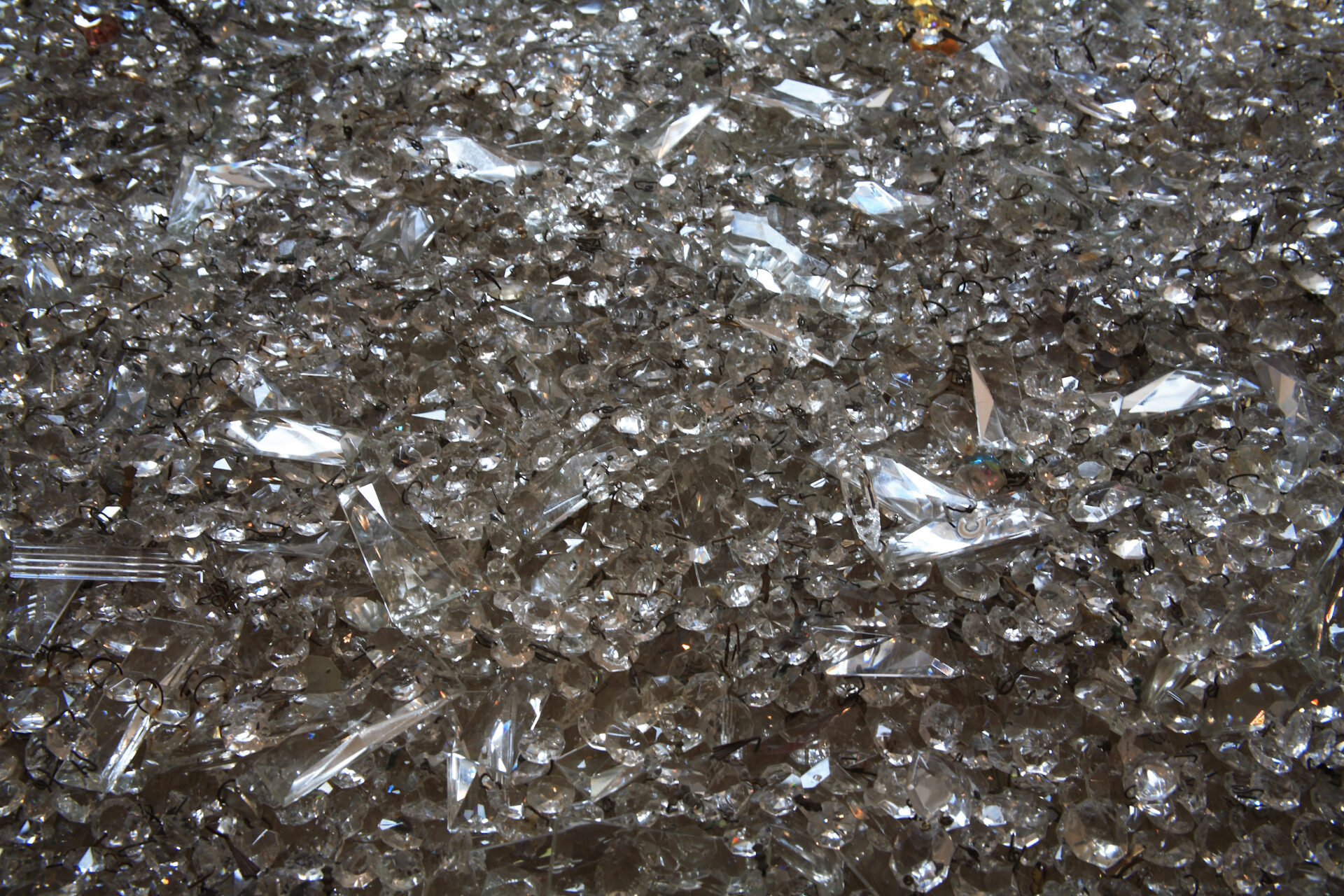
Glittering Shadows
Glasgay GalleryGlasgow2007
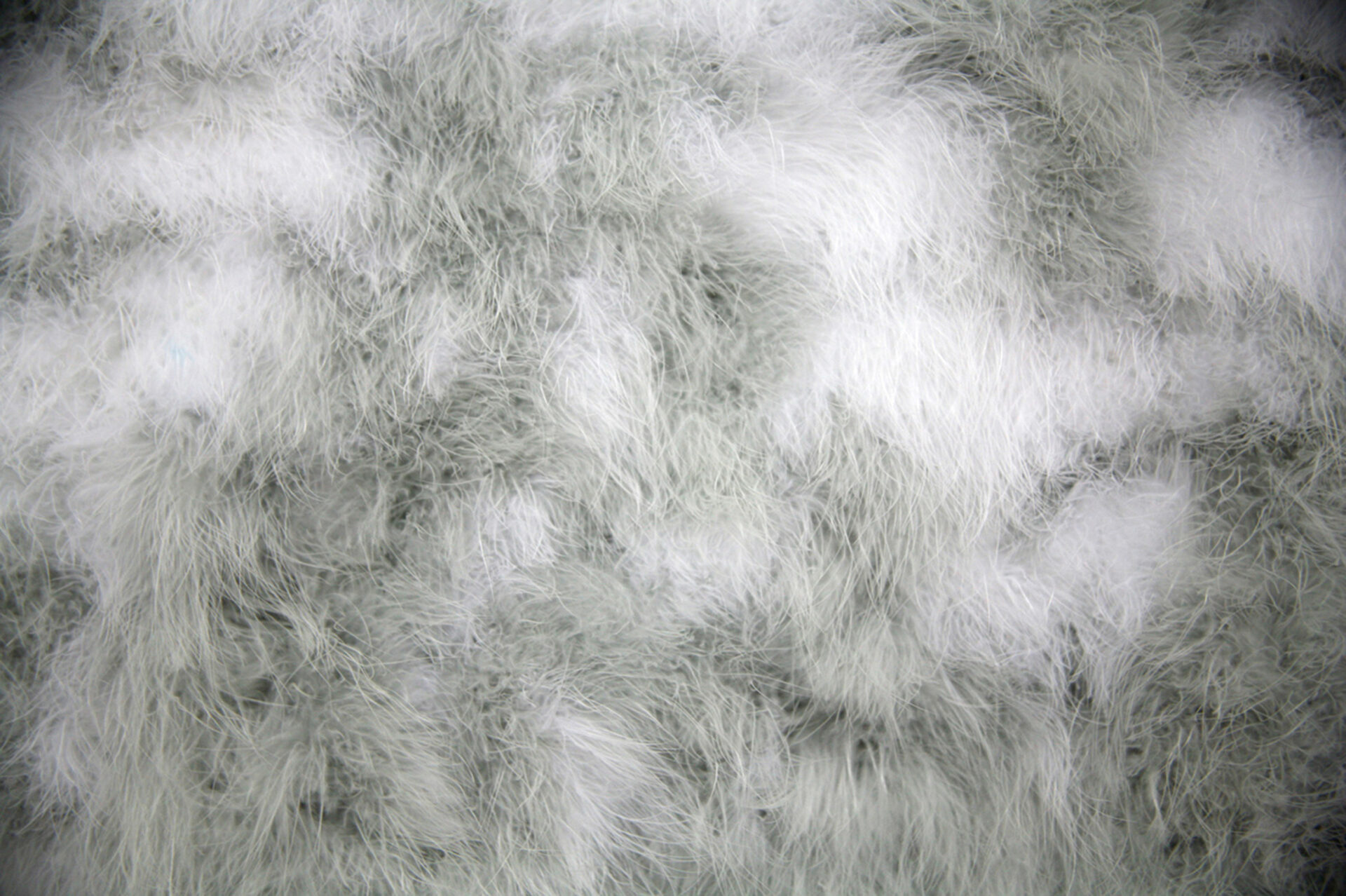
Goods to Declare
Ben-Gurion AirportIsrael2006
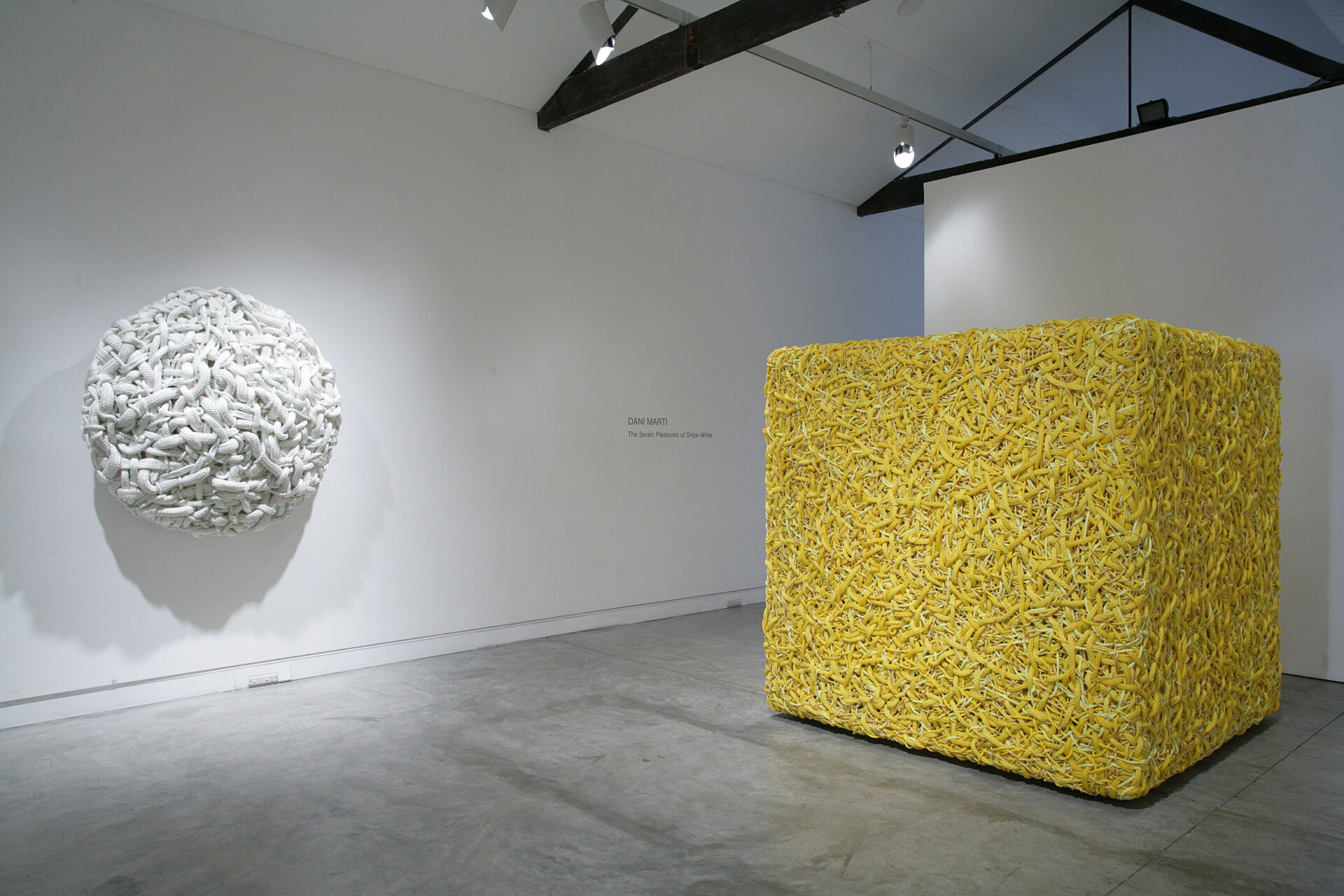
The Seven Pleasures of Snow White
Sherman GalleriesSydney2006
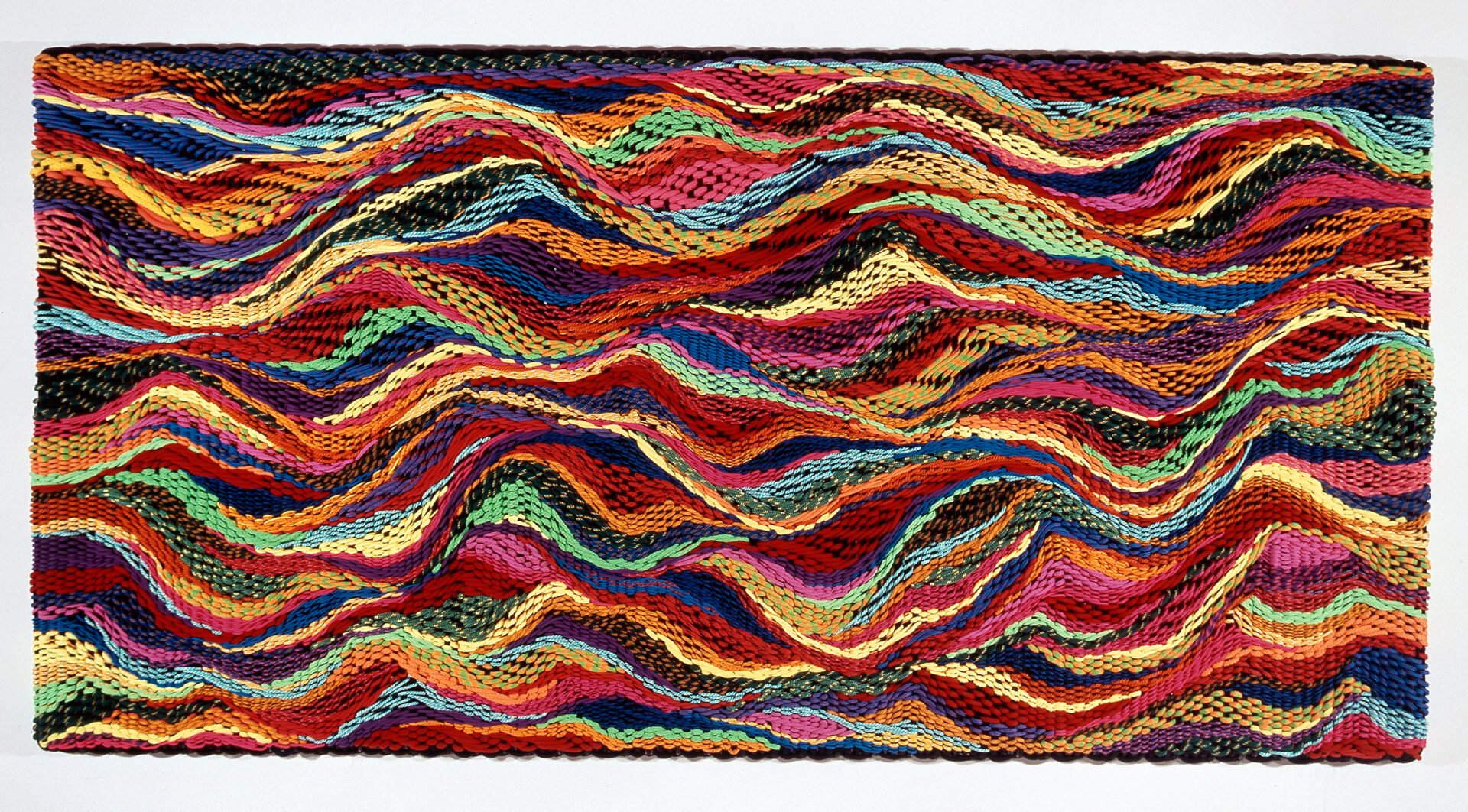
There is Nothing at the End of the Rainbow
Arg One GalleryMelbourne2005
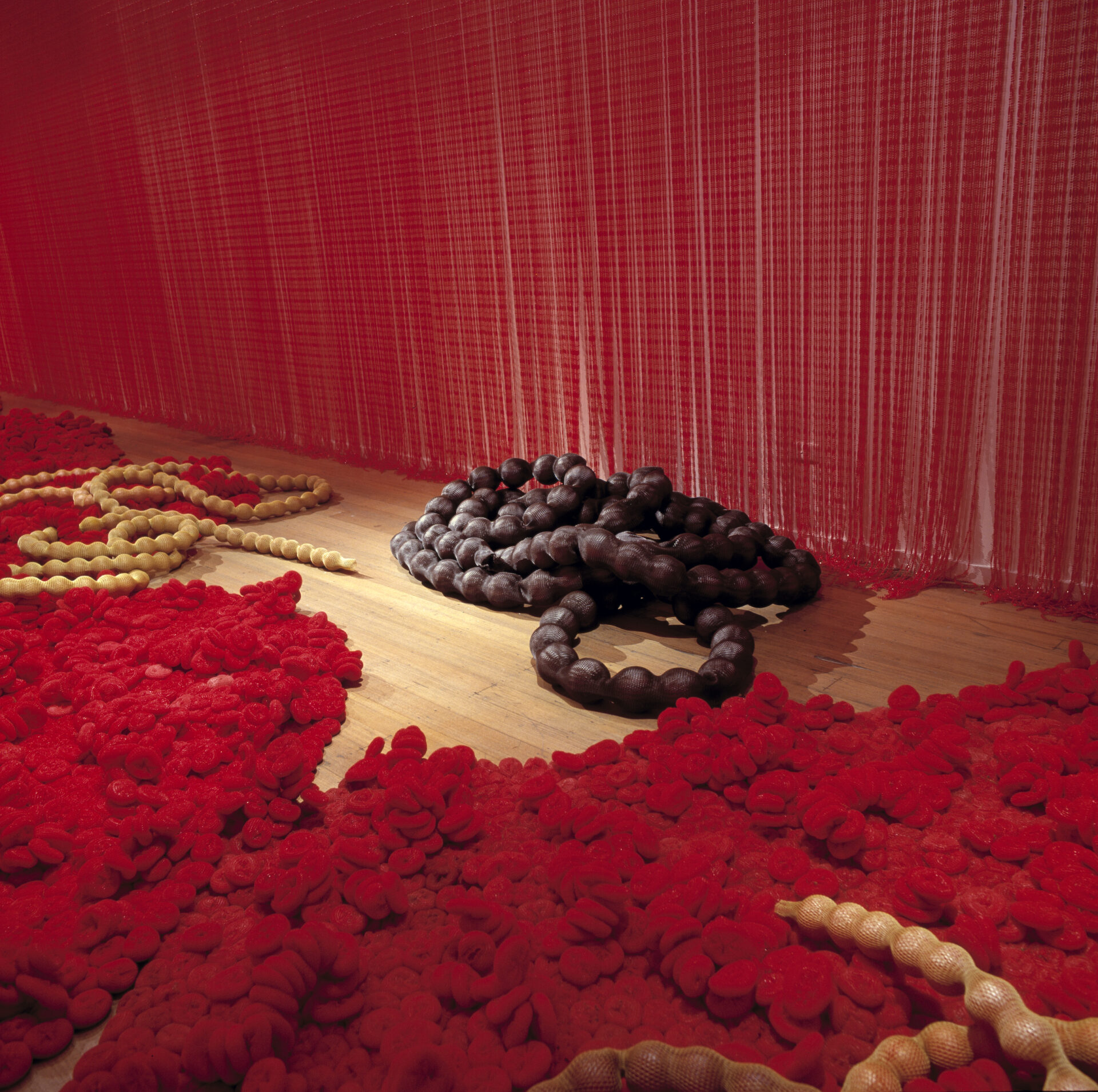
Orifices
Newcastle Art Gallery, AustraliaNewcastle , Australia2005
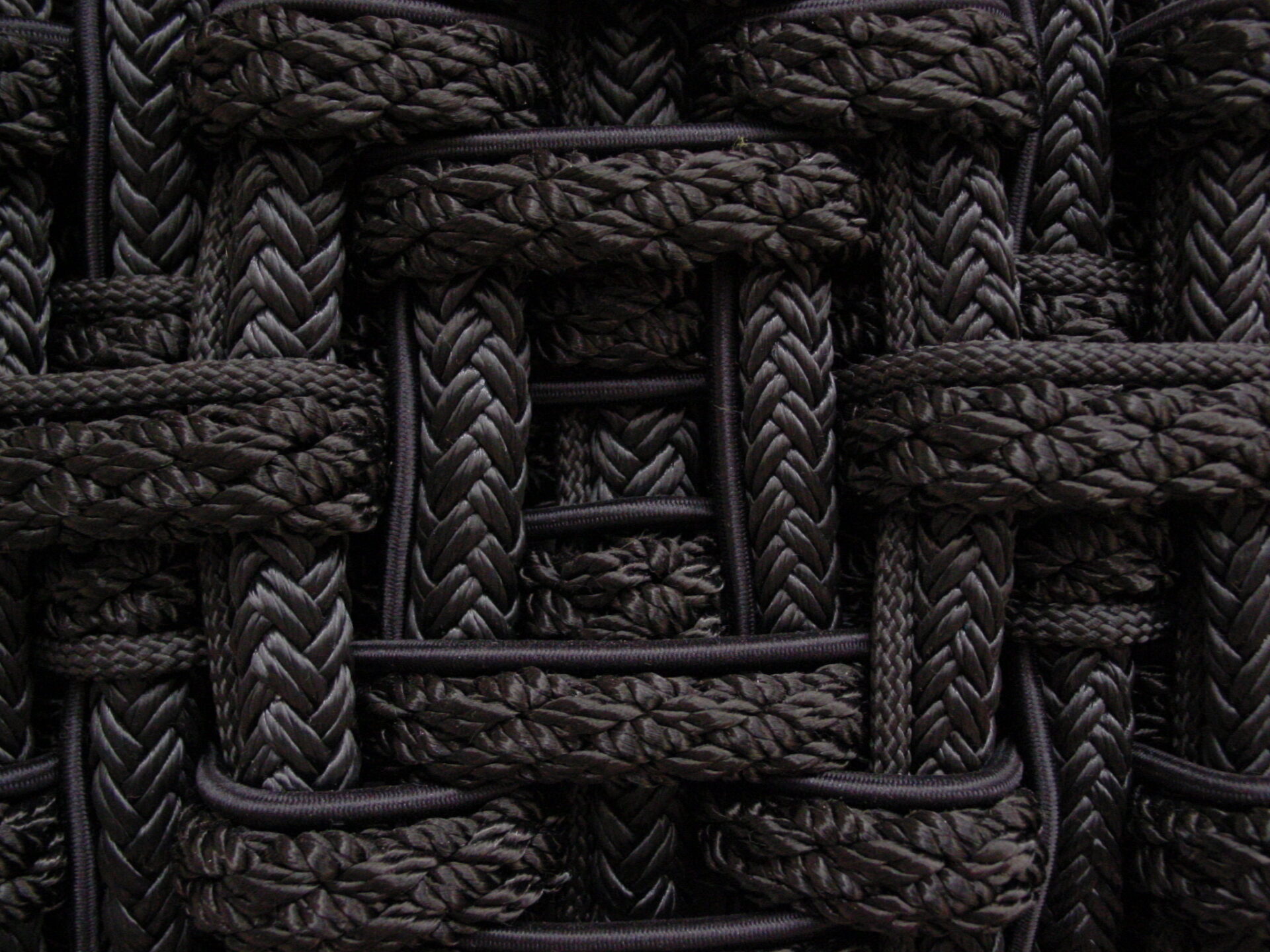
Variations in a Serious Black Dress
Various Regional Art GalleriesAustralia2004-2006
Marks and Comments: GSA
TranwayGlasgow2006
Looking for Rover
Sherman GalleriesSydney2004
Variations in a Serious Black Dress
Gitte Weise GallerySydney2003
Jamon
La CapellaBarcelona2003
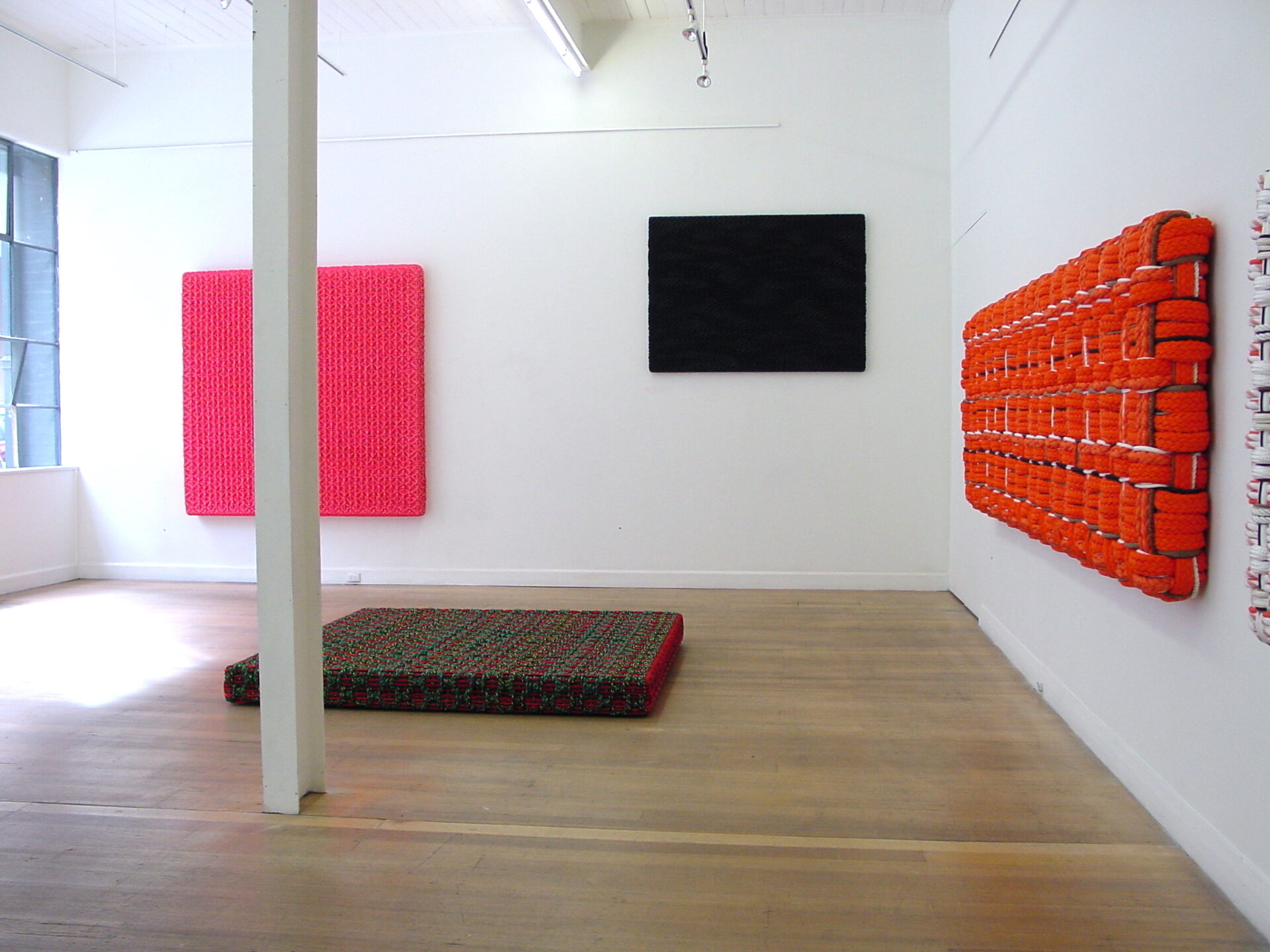
Portrait of a young man returning a ladybird
Arc One GalleryMelbourne2003
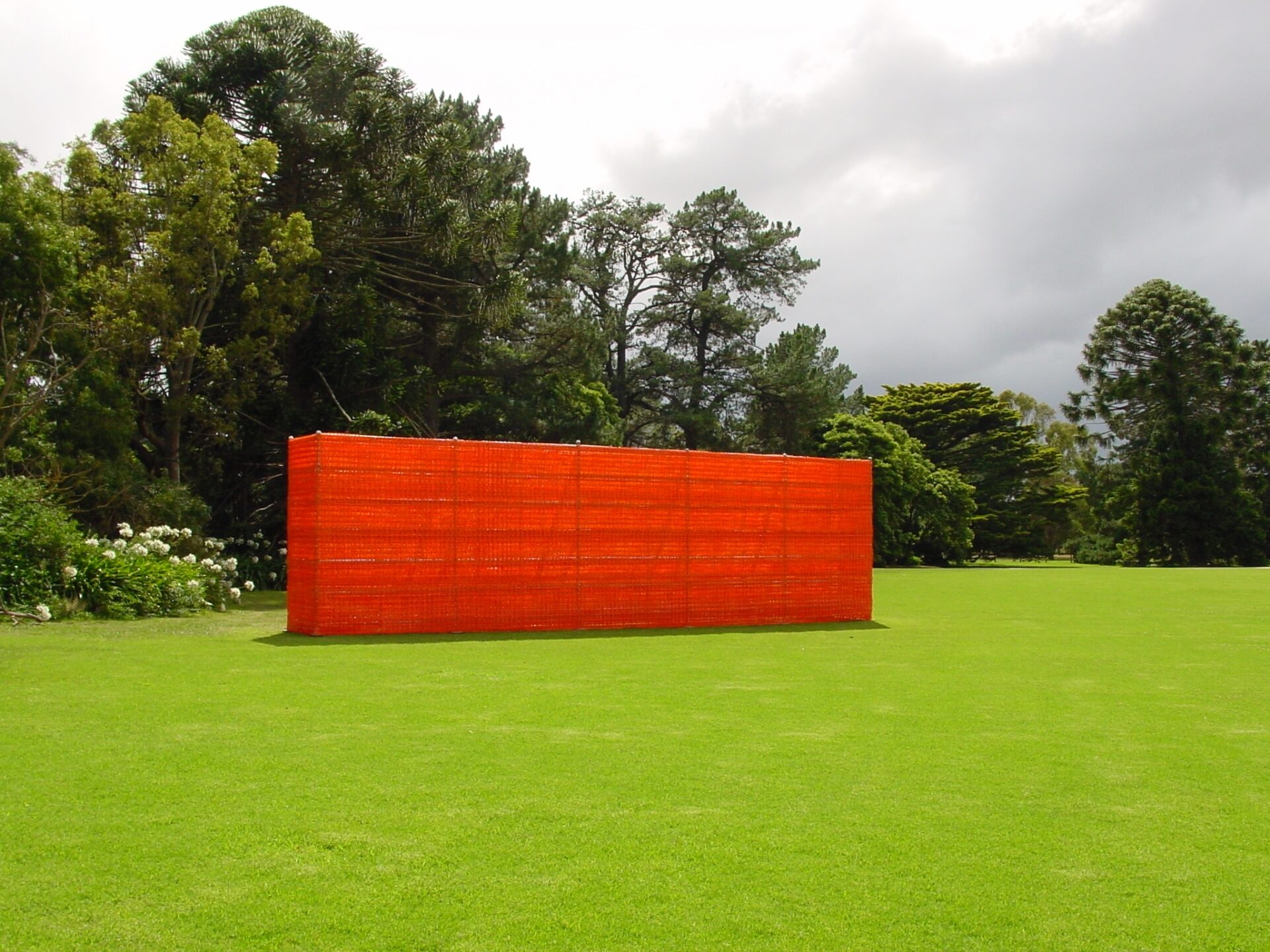
Ruin
Helen Lempriere National Sculpture AwardWerrebee Park , Melbourne2002
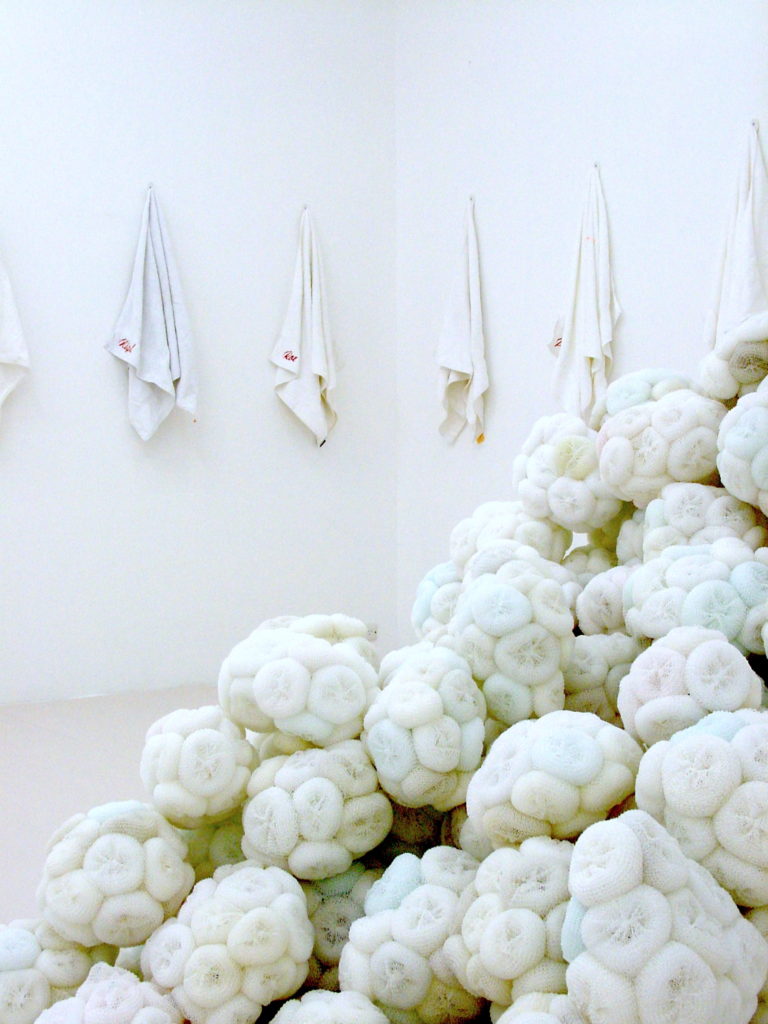
I am forever blowing bubbles
Gitte Weise GallerySydney2001
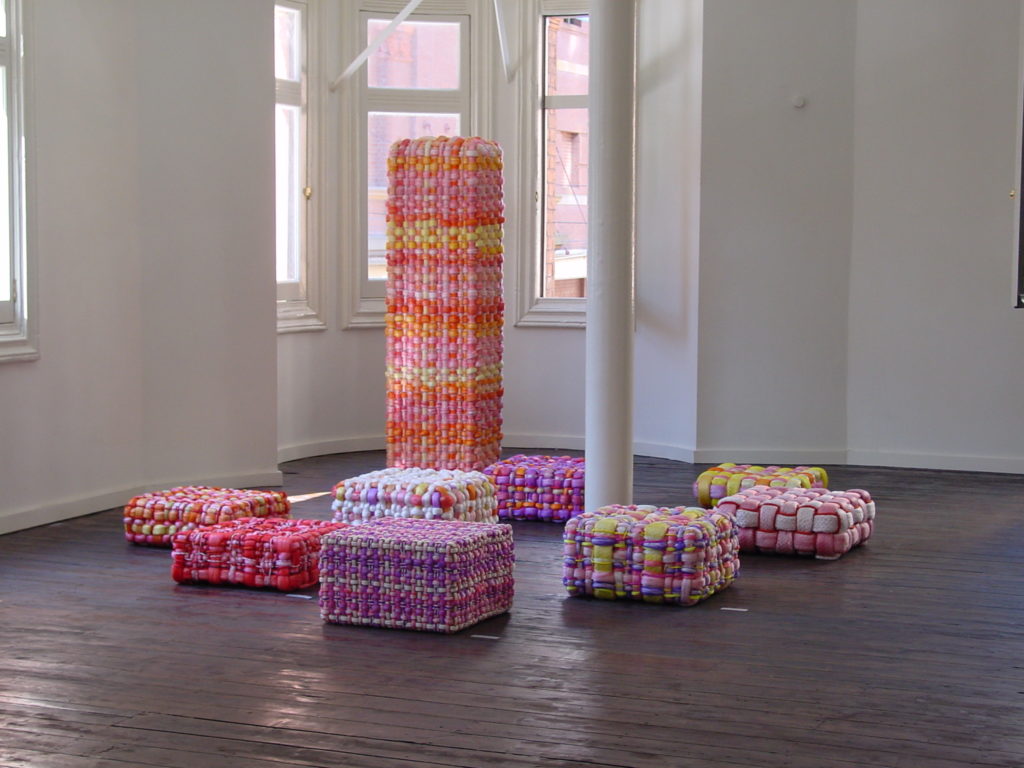
You make me feel like love, peace and happiness
Gallery 4ASydney2001
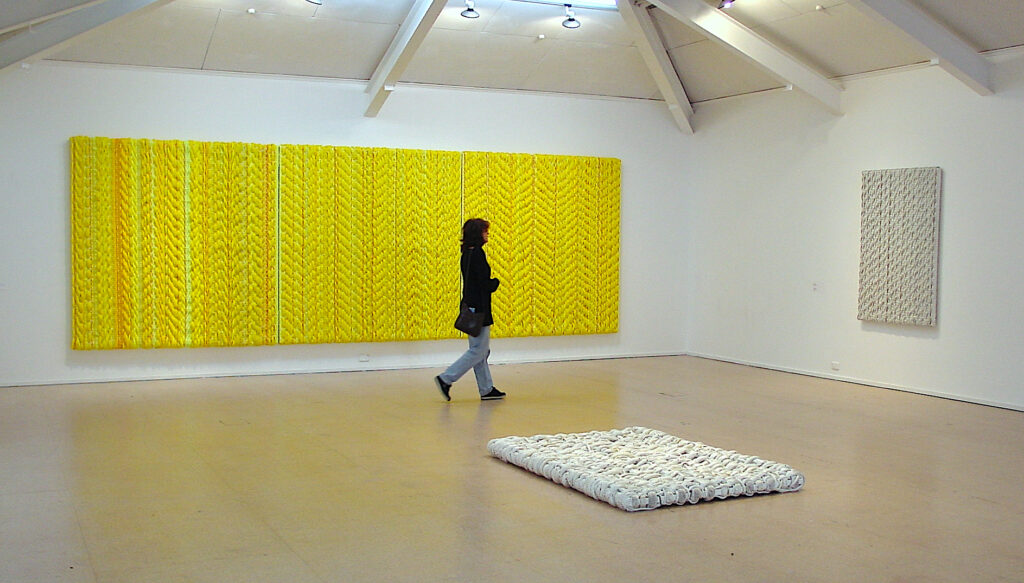
Plastic by Nature
Canberra Contemporary Art SpaceCanberra2001
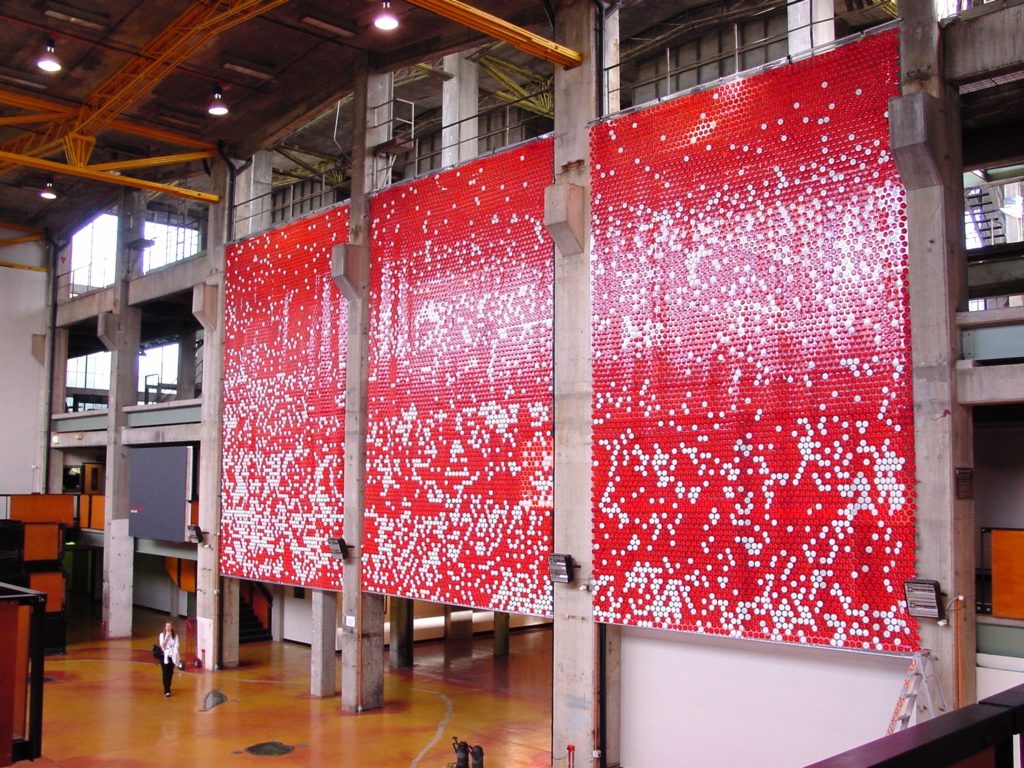
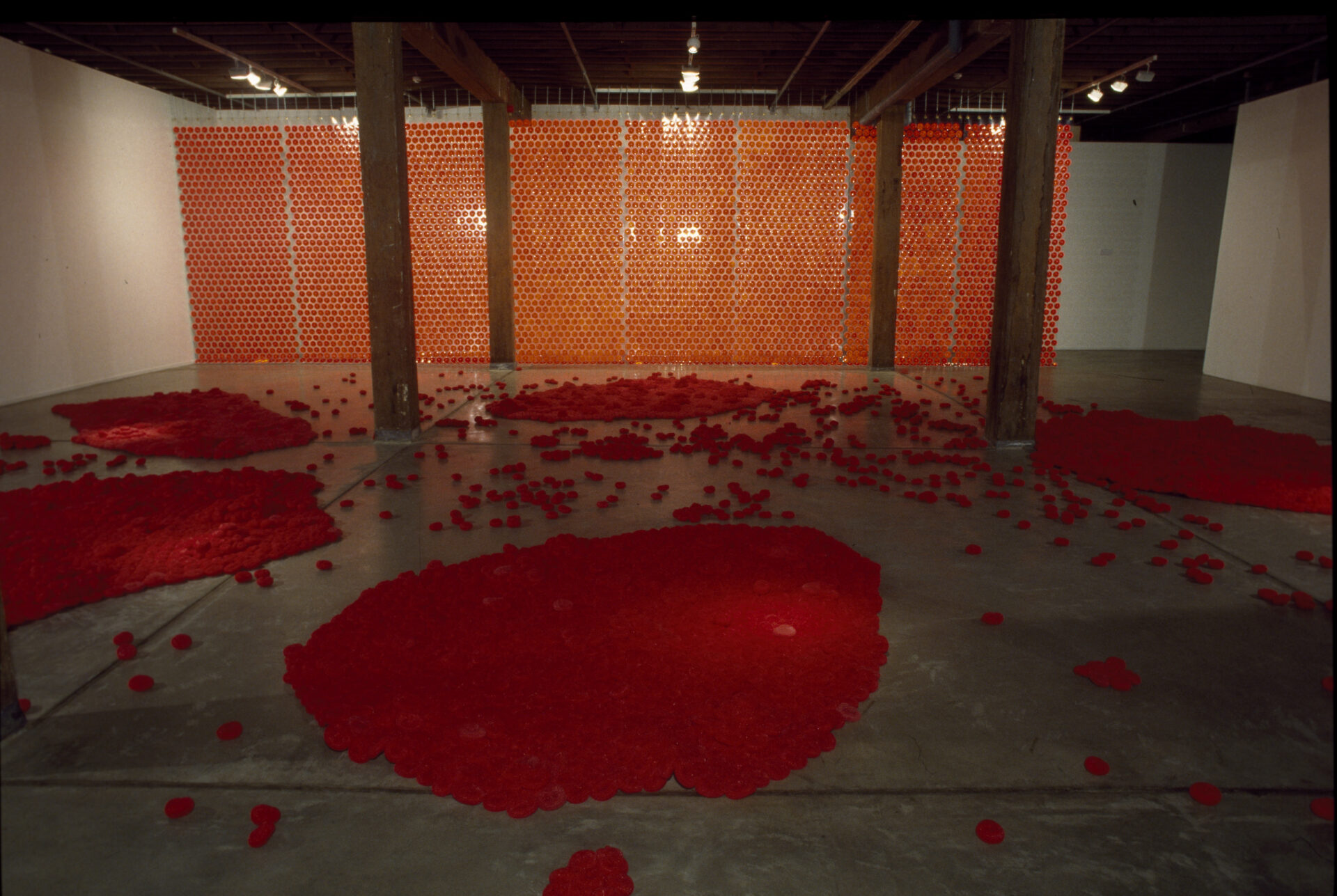
Missing Spain
Casula Power HouseLiverpool, Australia2001
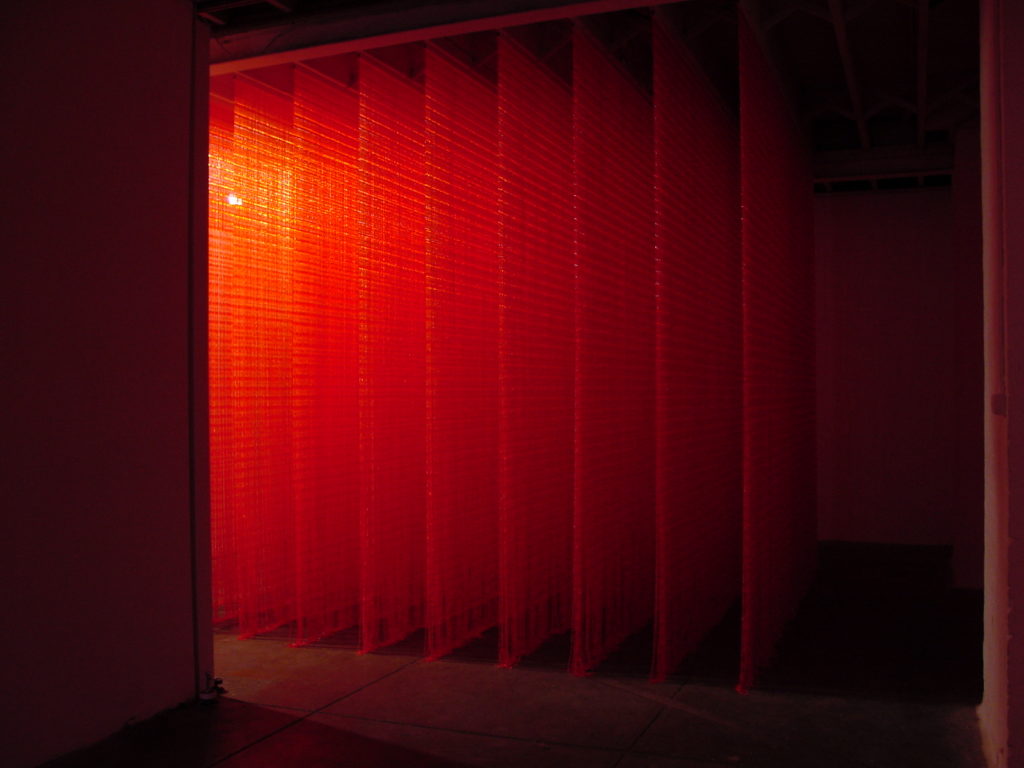
Thin Wall
ArtSpaceSydney, Australia2000
Looking for Felix
first draft GallerySydney2000
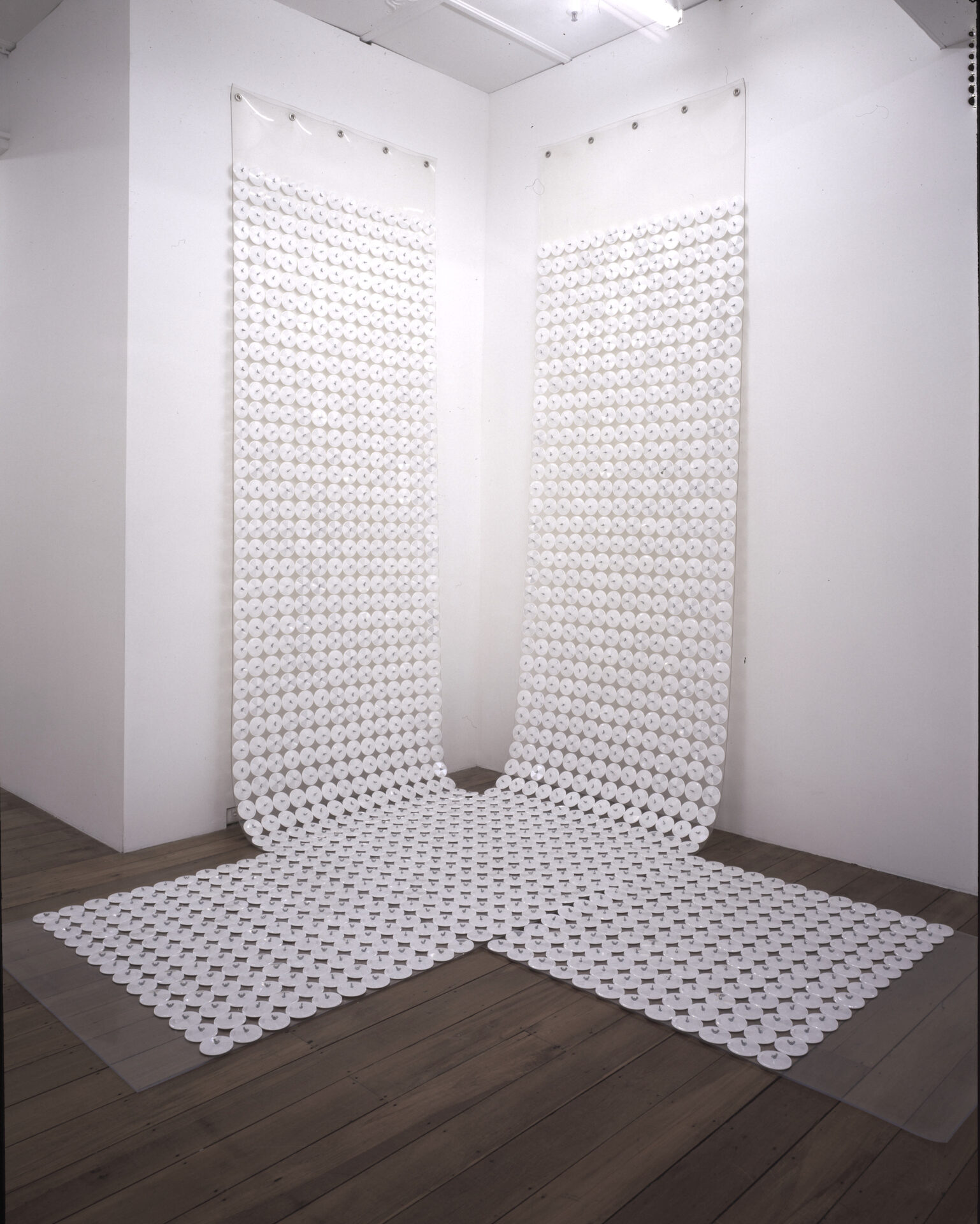
ws-s
Gitte Weise GallerySydney1999
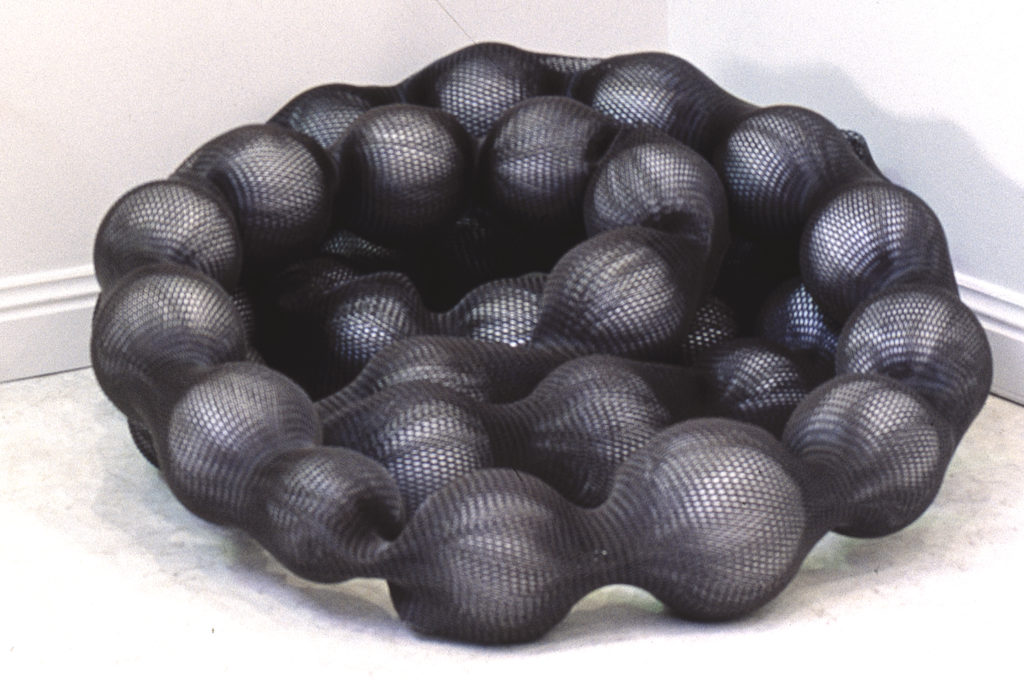
‘Sorry I just dropped my guts ‘
Casula PowerhouseSydney2000
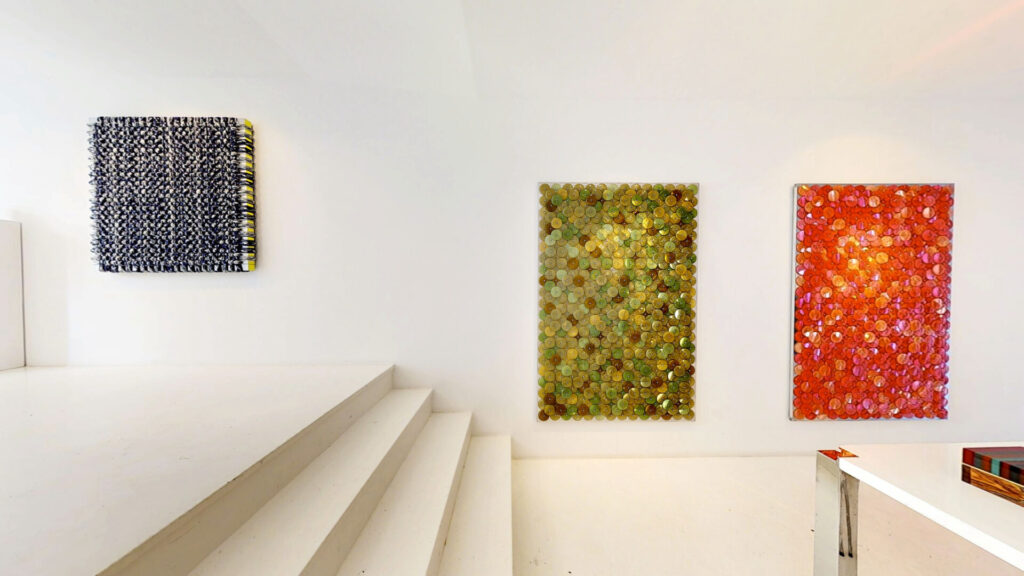
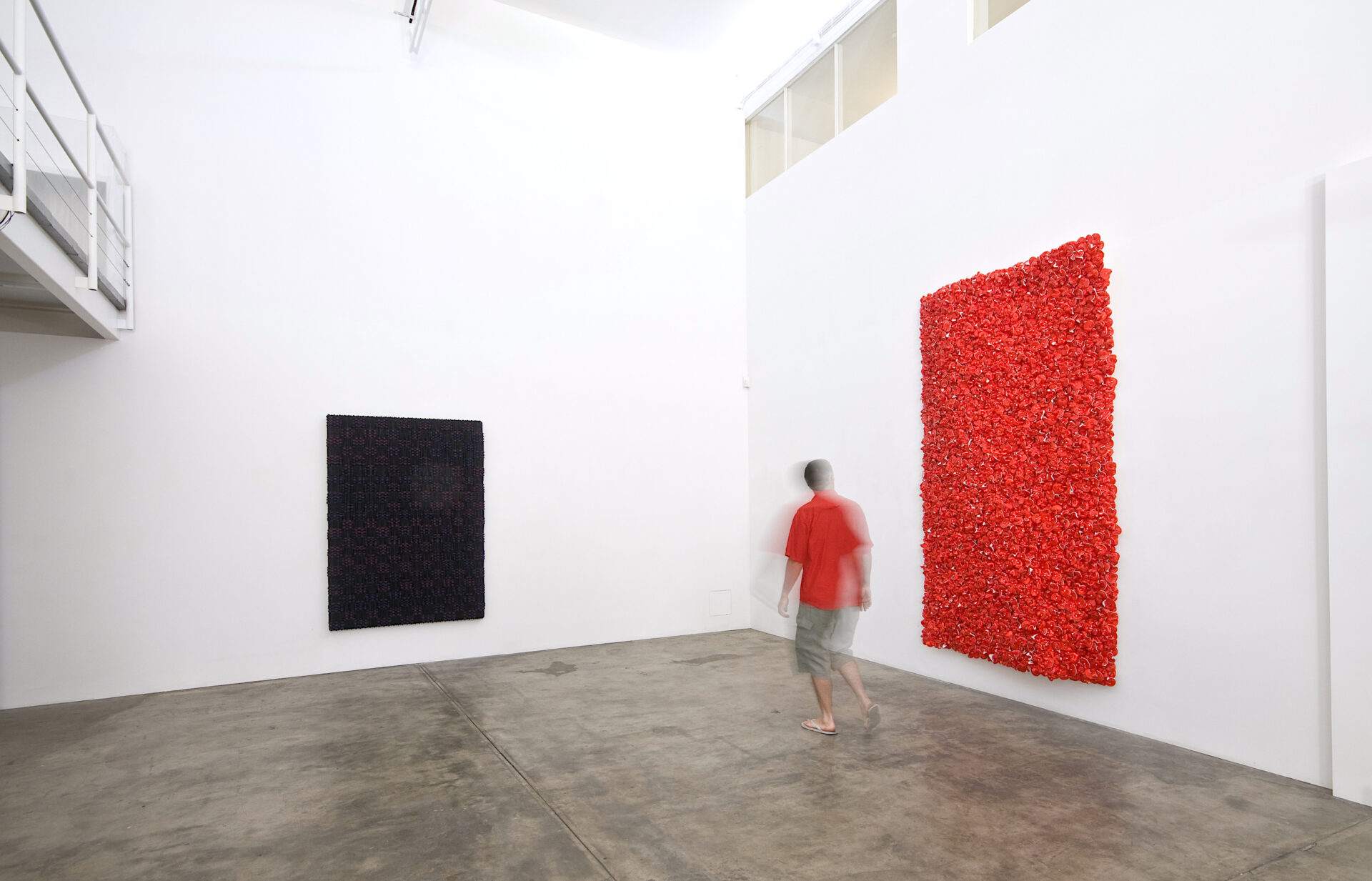
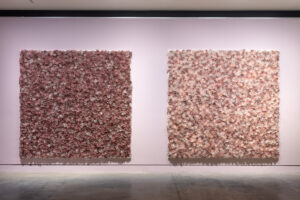 . Here landscape is reborn not as an optical encounter but as textural immersion – an ironic reversal of the reflectors primary purpose to aid vision. Inspired by the pink salt lakes of south eastern Australia, hinted at in the Catalan subtitle which translates as Pink Lagoons, Marti has manipulated the circular perfection of each reflector to craft textures redolent of the crystalline salt endemic to the lakes. (It’s no accident that they also resemble mis-shaped Baroque pearls.) Pink lakes are hyper-saline environments with the pink hue is caused by a type of bacteria, defined as being by its very nature extremophile as it thrives in environments that others cannot tolerate. The salt content and volume is also a register of this continent’s age – Marti as a recent arrival has a deep appreciation that he lives on ancient, unceded Country. Venturing into landscape as a non-Indigenous artist is far from uncomplicated and Marti brings to this new work his distinctive and abiding interest in intimacy. Marti offers us an experience that is deeply personal and however obscured or contorted through the arduous process of heating and manipulation, his customised reflectors remain ‘reflective’ of each of us and of our own experiences.
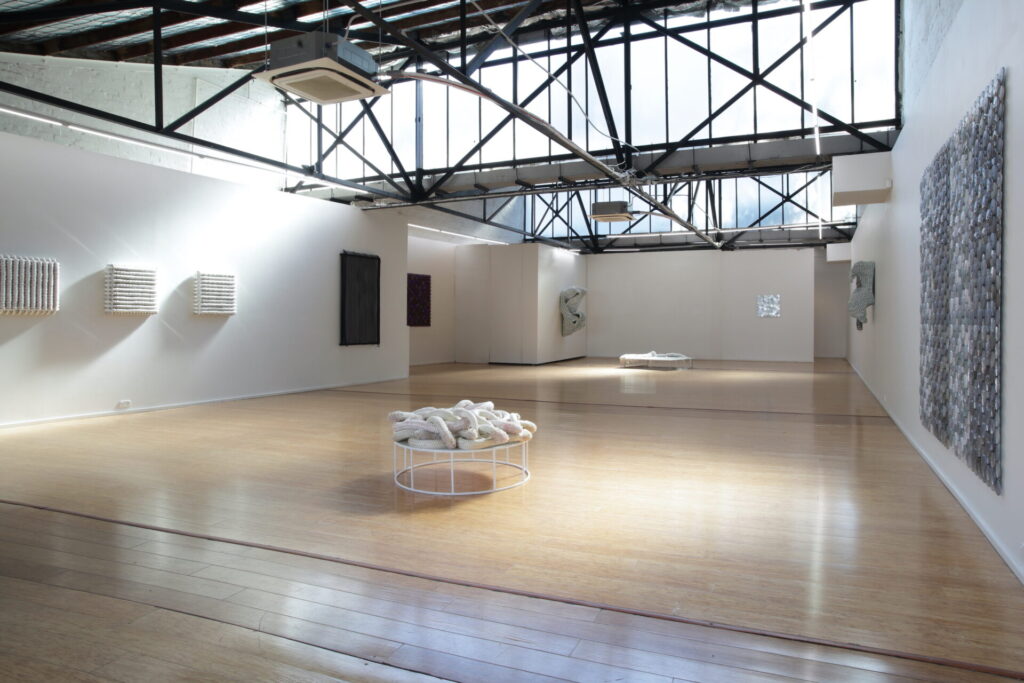
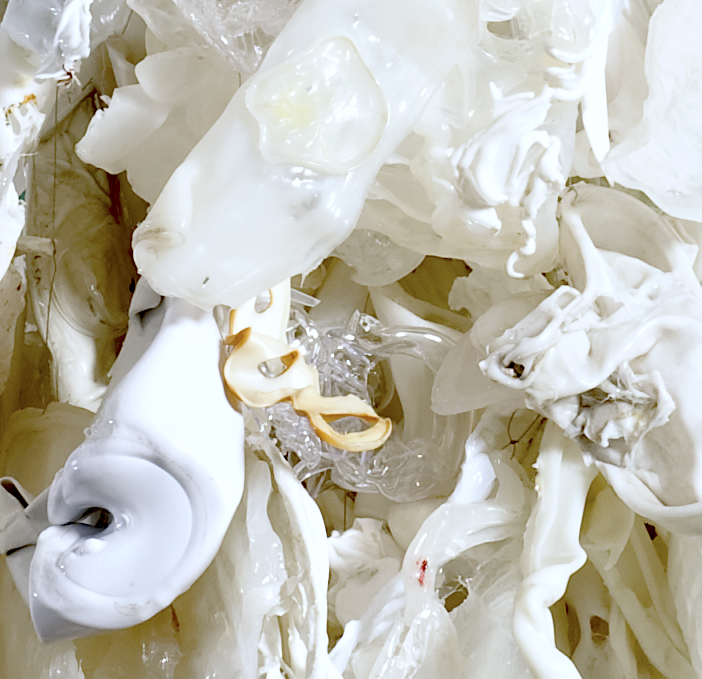
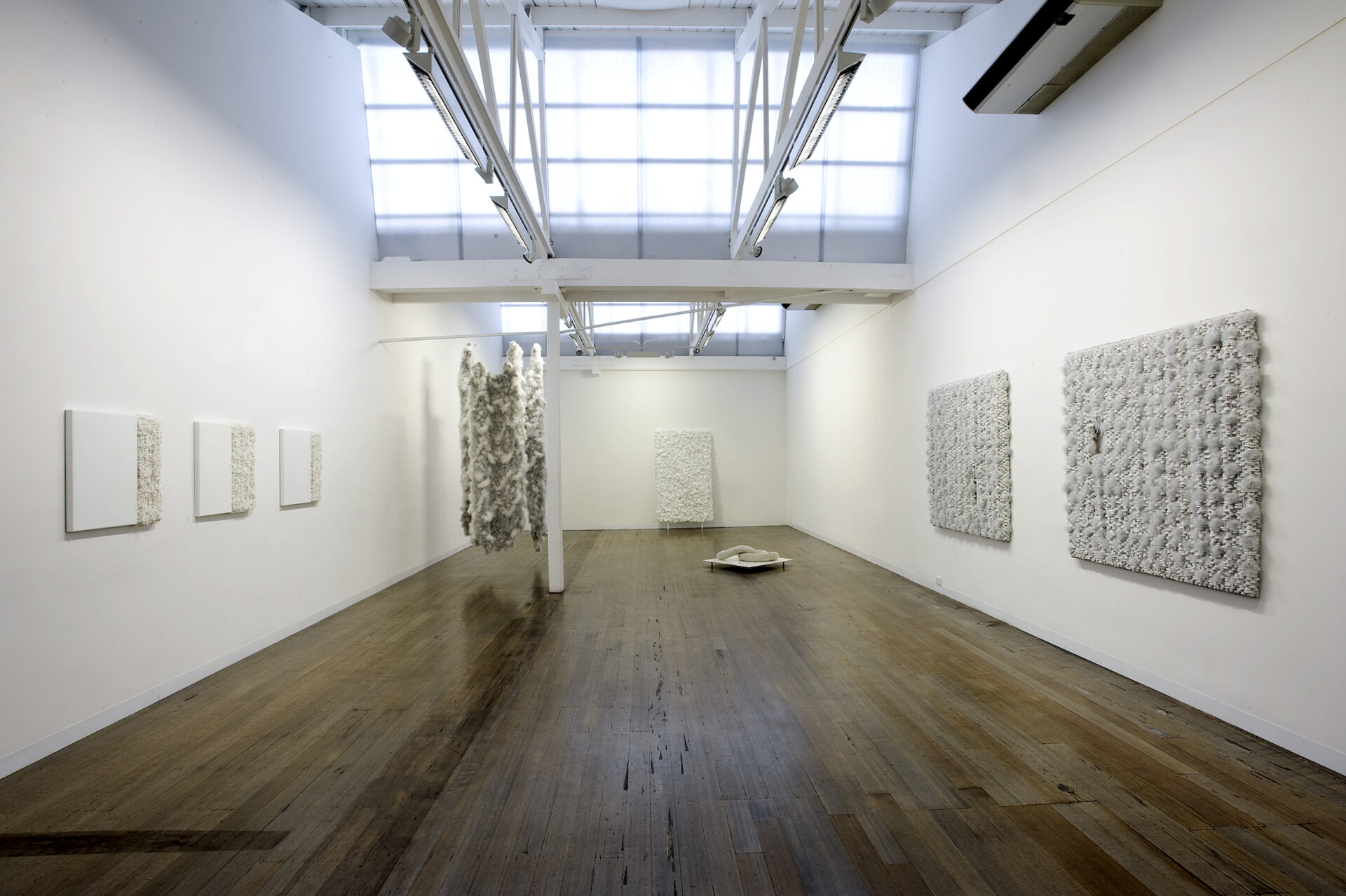
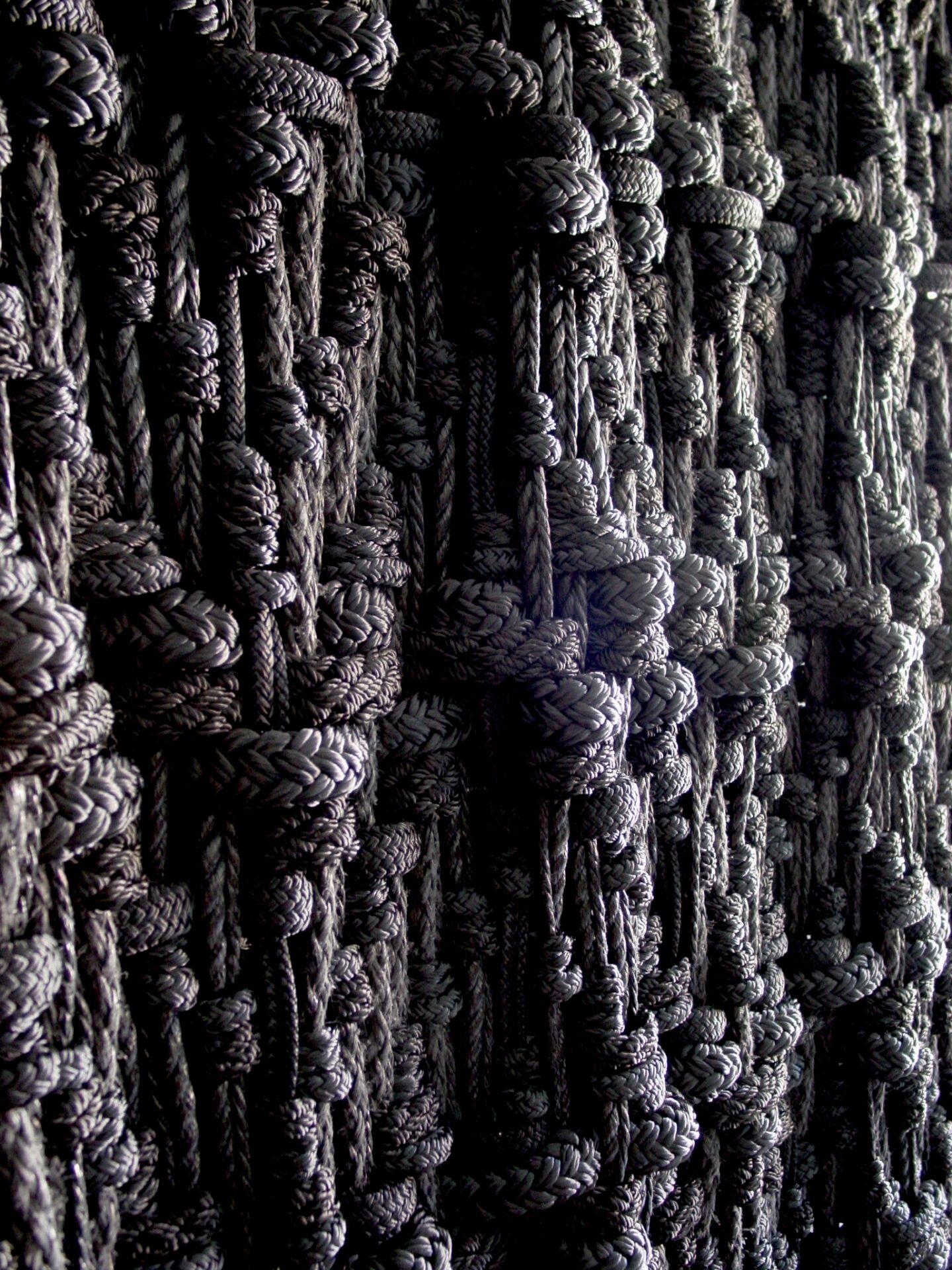
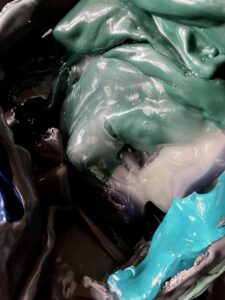 Marti’s own family history, specifically his father’s practice as a laparoscopic surgeon, is brought to bear in Natura Morte (Variacions en Gris i Vert) whereby melted Tupperware in variations of grey and green form a visceral interior landscape. Elsewhere in Nude, Marti’s reminiscences of a close friend – a fashion designer with a penchant for nude hues – take form as a suspended sculpture comprised entirely of ostrich feathers. Lurching from the gallery wall is Gàrgula. Like its namesake the gargoyle, it overlooks the landscape and is at once menacing and protective. Its body, woven rhythmically in uniform dark olive green ropes, resembles a type of armour. Marti’s cites his viewing of Samurai armour at the Metropolitan Museum in New York many years ago as a key source of inspiration and he has employed the same knot used in the body wrapping forms of the Samurai’s garments to create Gàrgula.